
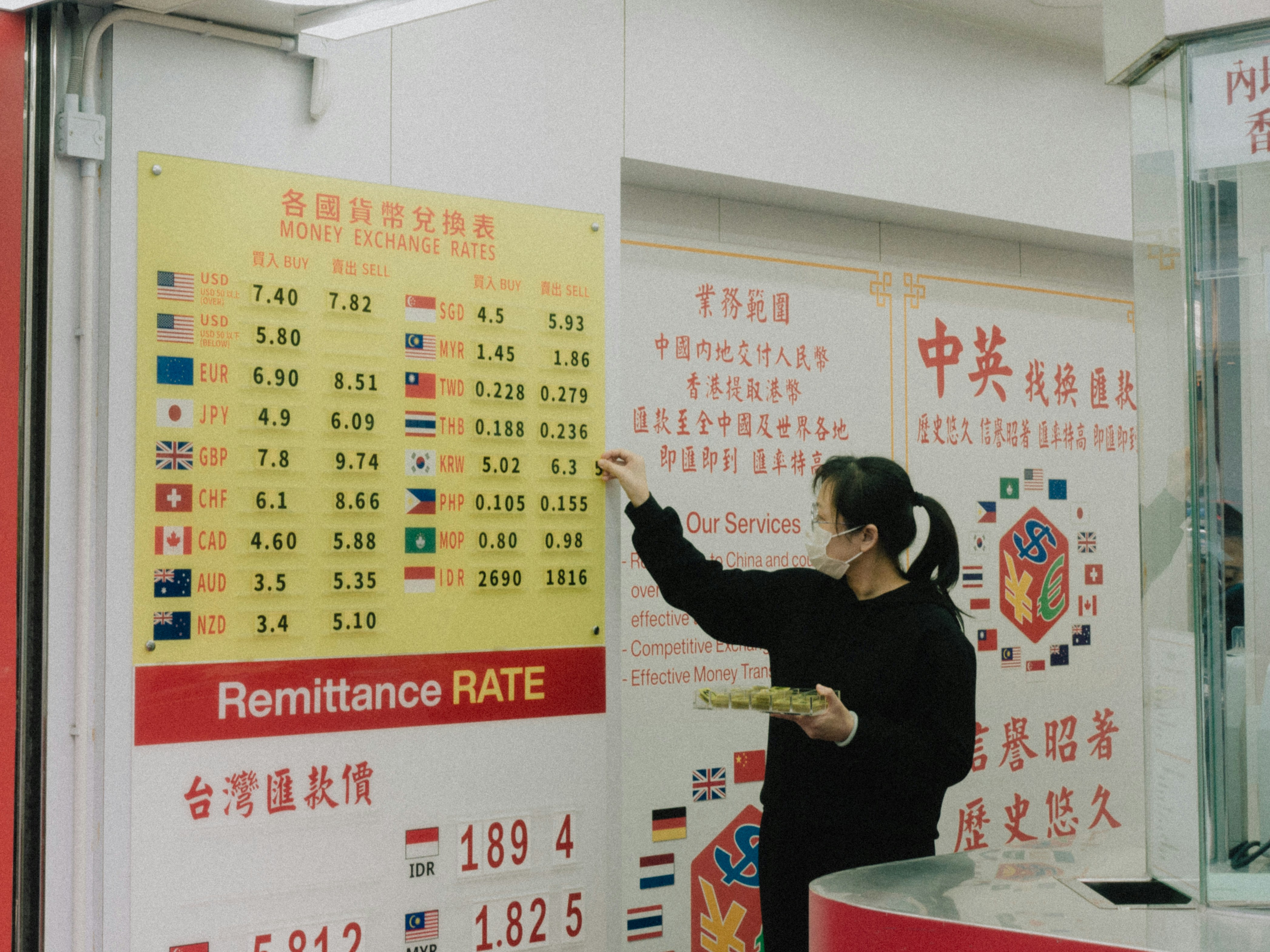
Introduction to Carry Trade
The carry trade is a well-established strategy within the foreign exchange (forex) market, where traders borrow funds in a currency with a low-interest rate and invest them in a currency that offers a higher interest rate. This approach capitalizes on the interest rate differentials between currencies, allowing traders to earn profit from both the appreciation of the currency they invest in and the interest payments. The concept is rooted in the fundamental principle of earning a return on capital through leveraging differences in interest rates across various currencies.
In the context of forex markets, the term ‘carry trade’ specifically illustrates the relationship between borrowing and investing while focusing on interest rate differentials. These differentials are the key drivers of potential profit from this trading strategy. Traders often look for currencies that show significant differences in interest rates, as these disparities can pave the way for enhanced returns. The concept of ‘margins’ refers to the collateral or capital required to open and maintain a position, which is particularly important in the context of leveraged trading.
The USD/JPY currency pair has grown increasingly popular among traders engaging in carry trades, primarily due to the consistent interest rate policies found in both the United States and Japan. The United States has generally offered higher interest rates compared to Japan, particularly over the past few decades. This creates an appealing opportunity for traders to realize gains through USD/JPY carry trades, whereby they can benefit from both the favorable interest differential and potential currency appreciation. Understanding these components is vital for anyone looking to navigate the complexities of the forex market and effectively employ carry trade strategies.
Current Landscape of USD/JPY Exchange Rates
The USD/JPY exchange rate has undergone significant fluctuations in recent years, reflecting a variety of economic factors influencing its trajectory. As of late 2023, the USD/JPY pair has witnessed increased volatility, influenced by monetary policy decisions from both the United States and Japan. The geopolitical landscape and market sentiment also play crucial roles in shaping the exchange rates.
One key driver of the recent trends in USD/JPY is the divergent monetary policies employed by the Federal Reserve and the Bank of Japan. During periods when the Federal Reserve has pursued interest rate hikes to combat inflation, the USD typically strengthens against the JPY. Concurrently, the Bank of Japan has maintained a more accommodative stance, keeping rates low in an effort to stimulate economic growth. This divergence has led to periods of appreciation for the USD/JPY pair, as investors seek higher yields from U.S. assets.
Exchange rates are also affected by broader economic data releases, such as employment figures, consumer spending, and inflation rates. For instance, a stronger-than-expected jobs report from the U.S. can lead to a spike in the USD, while sluggish growth indicators from Japan may contribute to JPY weakness. Moreover, global economic developments, such as trade tensions and changes in energy prices, can impact investor confidence in various currencies.
The USD/JPY pair holds substantial importance in global markets, serving as a barometer for risk appetite among investors. It is frequently used in carry trade strategies, which involve borrowing in lower-yielding currencies like JPY to invest in higher-yielding assets. As such, fluctuations in the USD/JPY exchange rate can have ripple effects across various asset classes and can significantly impact capital flows in the global financial system.
Interest Rate Dynamics in Japan and the U.S.
The dynamics of interest rates in both Japan and the United States play a pivotal role in shaping the landscape of the USD/JPY carry trade. Over the past decades, the Bank of Japan (BoJ) has implemented a range of unconventional monetary policies aimed at combating deflation and stimulating economic growth. As a result, the BoJ has maintained its benchmark interest rate at extraordinarily low levels, often hovering around zero. This persistent low-interest-rate environment creates an attractive opportunity for traders looking to leverage the interest rate differential between the two countries.
Conversely, the U.S. Federal Reserve’s monetary policy has seen more fluctuations over the years, particularly in response to varying economic conditions. In recent times, the Federal Reserve has enacted rate cuts, reflecting a need to bolster economic activity amid uncertainties such as trade tensions and global economic slowdown. Such rate adjustments significantly influence the appeal of the USD/JPY carry trade, as lower U.S. rates diminish potential returns for traders engaging in this strategy.
The interplay between these two central banks’ interest rates not only dictates the overall profitability of the carry trade but also impacts investor sentiment. For instance, when the Fed signals a tendency for further rate cuts, the USD/JPY pair could experience heightened volatility. Traders may adjust their positions based on expectations surrounding interest rate changes, further complicating the landscape of carry trade profitability.
Moreover, the persistent low rates in Japan juxtaposed with fluctuating rates in the U.S. create an ongoing scenario where the dynamics can shift unexpectedly. Consequently, understanding these interest rate movements is crucial for traders involved in the USD/JPY carry trade, as they navigate an environment marked by margin compression and changing market sentiment.
Understanding Margin Compression
Margin compression is a critical concept in the realm of carry trades, particularly in the context of the USD/JPY currency pair. Carry trades involve borrowing funds in a currency with low-interest rates, such as the Japanese yen, and investing those funds in a currency with higher interest rates, like the U.S. dollar. Margin compression occurs when the difference between these interest rates, or spreads, narrows significantly. As these spreads tighten, the profitability of carry trades diminishes, leading to an overall squeeze on trader margins.
In a traditional carry trade scenario, traders benefit from the interest rate differential. However, when economic conditions lead to a reduction in this differential, particularly between the U.S. Federal Reserve and the Bank of Japan, margin compression becomes evident. This trend can be triggered by various factors, such as shifts in monetary policy, geopolitical events, or economic indicators that influence interest rate expectations. For instance, if the Federal Reserve were to signal a slowdown in rate hikes or if the Bank of Japan were to adopt a more aggressive monetary policy stance, the attractive margins that traders previously enjoyed might decrease.
As profit margins tighten, traders face greater challenges. The potential for profit diminishes, leading to changes in trading strategies. Investors may withdraw from their positions, reducing liquidity and potentially exacerbating market volatility. It is essential for traders to monitor spreads actively, as this can provide important signals about when to enter or exit positions. Understanding margin compression in carry trades, particularly in the USD/JPY landscape, enables traders to make informed decisions in a constantly evolving market.
Impact of U.S. Rate Cuts on Carry Trade Dynamics
The dynamics of the USD/JPY carry trade are significantly influenced by anticipated changes in U.S. interest rates. When the Federal Reserve signals potential rate cuts, traders often adjust their strategies, leading to noticeable shifts in market sentiment. In a carry trade, investors borrow in a currency with a lower interest rate, such as the Japanese yen, to invest in a currency offering higher returns, like the U.S. dollar. However, when the U.S. rates are expected to decline, the attractiveness of this strategy comes under scrutiny.
U.S. rate cuts typically evoke a risk-off sentiment among investors. The expectation of lower rates may lead to a decrease in the U.S. dollar’s yield, prompting traders to reassess their positions in the carry trade. Consequently, this can result in a stronger yen, as market participants seek to unwind carry trades to mitigate risks associated with diminishing returns. Such adjustments can lead to increased volatility in the USD/JPY pair, as pressures mount on the dollar while the yen gains traction as a safe-haven currency.
The ramifications of rate cuts extend beyond individual trader strategies; they can create a ripple effect through the larger forex market. For instance, a wave of unwinding carry trades can lead to broader currency fluctuations and might even influence central bank policies. As traders anticipate the economic landscape following rate cuts, their behavior aligns with the overall sentiment, significantly affecting market dynamics.
Traders must remain vigilant and adaptive to changing interest rate environments and their implications for carry trades. Understanding how U.S. rate cuts shape market sentiments and affect the behavior in the USD/JPY carry trade is essential for making informed trading decisions and anticipating subsequent market movements.
Potential for Japanese Rate Increases
The current landscape of the USD/JPY carry trade is significantly influenced by interest rate dynamics, particularly in relation to Japanese monetary policy. Recently, speculation surrounding potential increases in Japanese interest rates has garnered much attention from investors and analysts alike. Historically low rates in Japan have been a critical component of the carry trade strategy, which involves borrowing in a currency with a lower interest rate (like the yen) and investing in one with higher returns (such as the dollar). However, any shifts towards heightened rates in Japan could alter the attractiveness of this financial approach.
As the Bank of Japan (BoJ) continues to signal a shift in its monetary policy framework, market participants are evaluating the implications of these changes. An increase in Japanese rates might diminish the spread between U.S. and Japanese interest rates, thereby impacting the margin that investors typically rely on for profit in carry trades. If Japanese rates rise, it could lead to a scenario where the benefits of engaging in a USD/JPY carry trade are reduced, as the cost of borrowing in yen becomes more expensive relative to potential gains from U.S. assets.
Moreover, rising rates in Japan could encourage a reallocation of capital flows, as investors weigh the benefits of domestic yields against foreign opportunities. This potential shift may help alleviate some of the margin compression currently experienced by traders. As rate differentials fluctuate, the overall attractiveness of the USD/JPY pair could change, necessitating a reevaluation of trading strategies for those engaged in carry trades. The delicate balance between U.S. and Japanese interest rates will therefore play a crucial role in shaping future trading environments and investor attitudes.
Strategies for Navigating Margin Compression
Margin compression is a significant concern for traders engaged in the USD/JPY carry trade, particularly in an environment where interest rate differentials may be shrinking. To effectively navigate these challenging market conditions, it is essential for traders to implement robust strategies tailored to mitigate risks associated with narrowing interest spreads.
One practical approach is to diversify exposure by incorporating a range of currency pairs into the carry trade portfolio. Diversification can help spread risk and reduce the potential impact of compressed margins on individual trades. Traders should consider pairs that exhibit favorable interest rate discrepancies while maintaining an understanding of the geopolitical and economic factors influencing those currencies.
Another effective strategy is the use of options as a hedging tool. Options can provide a safety net against adverse market movements, allowing traders to protect their carry positions while still capitalizing on potential gains from favorable price movements. By employing strategies such as protective puts or covered calls, traders can enhance their return profiles while minimizing downside risks associated with margin compression.
Additionally, traders should closely monitor macroeconomic indicators and central bank policies, as these can significantly influence interest rate trends and market sentiment. Understanding the monetary policy landscape enables traders to anticipate changes in interest rates and make informed decisions regarding their carry trades. This proactive approach may involve adjusting positions in anticipation of rate changes or reallocating capital to more favorable trading opportunities.
Finally, it is crucial for traders to remain disciplined regarding risk management practices. Setting stop-loss orders and maintaining a healthy risk-to-reward ratio are key components in navigating the complexities of margin compression. By adhering to a solid risk management framework, traders can safeguard their capital and optimize their carry trade outcomes in an increasingly challenging environment.
Risks Associated with Current Market Trends
Engaging in the USD/JPY carry trade, particularly during periods of margin compression, carries a variety of inherent risks that traders must carefully consider. One of the primary risks is market volatility. As economic indicators fluctuate, coupled with geopolitical events, the foreign exchange market can exhibit significant price swings. These fluctuations can lead to swift and substantial losses, especially for traders utilizing leveraged positions. The amplification of these losses is particularly pronounced in the carry trade, where profits may diminish due to unexpected market movements.
Another crucial factor contributing to the risk profile of the USD/JPY carry trade is the potential for interest rate movements. Central banks, such as the Bank of Japan and the Federal Reserve, have the power to alter interest rates in response to changing economic conditions. As interest rates shift, the differential between currencies narrows, which can negatively impact the funding cost of carry trades. This uncertainty creates an environment where traders might find their positions vulnerable to rapid adjustments in monetary policy, creating further challenges in predicting future returns.
Moreover, the landscape of currency trading is influenced by external market factors, including changes in risk appetite among investors. During periods of heightened uncertainty, there can be a flight to safety, diminishing the attractiveness of the carry trade. Consequently, this often prompts a write-down in valuations of riskier assets, thereby increasing the likelihood of experiencing a loss. It is essential for traders to stay attuned to global events that may influence market sentiments, as these can lead to rapid and unpredictable changes in currency valuations.
In summary, engaging in the USD/JPY carry trade amidst margin compression involves navigating a complex array of risks. The combination of market volatility, unpredictable interest rate movements, and external economic influences necessitates a comprehensive risk management strategy to mitigate potential losses.
Conclusion and Future Outlook
In summary, the interplay between margin compression and the USD/JPY carry trade represents a complex landscape for traders navigating the foreign exchange market. Throughout this discussion, we have examined how factors such as interest rate fluctuations and global economic conditions influence the viability of this trading strategy. Margin compression arises primarily from tightening interest spreads, requiring traders to adapt their strategies accordingly.
Looking ahead, several key indicators will shape the future of the USD/JPY carry trade. Central bank policies, particularly those of the Federal Reserve and the Bank of Japan, will hold significant sway over interest rates. Any indications of rate increases in the U.S. could bolster the attractiveness of the carry trade, as they may widen yield differentials. Conversely, should the Bank of Japan maintain its accommodative stance, the potential for margin compression could persist, warranting a careful approach by investors.
Additionally, trader sentiment will play a crucial role in the evolution of the USD/JPY carry trade. Market participants must remain vigilant in monitoring geopolitical tensions and economic data, as these can influence risk appetite and, consequently, the demand for yen-denominated assets. Should uncertainty prevail, traders may become increasingly risk-averse, leading to substantial shifts in carry trade strategies.
Ultimately, as we assess the current state and future possibilities of the USD/JPY carry trade, it is vital for traders to remain informed about macroeconomic trends and central bank communications. By understanding the nuances of margin compression and its implications, traders can better position themselves to navigate upcoming challenges and capitalize on potential opportunities in this dynamic market landscape.