
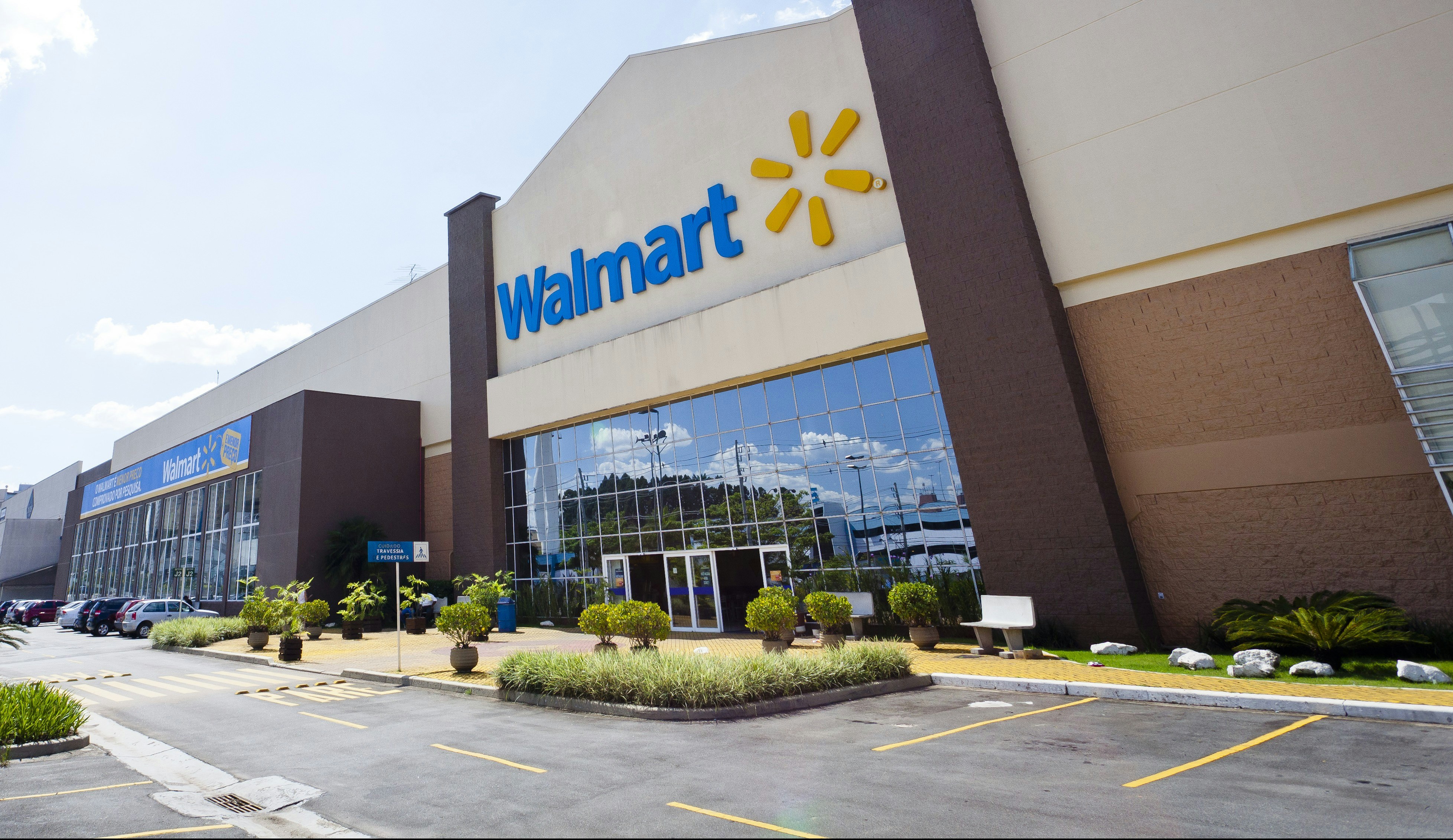
Trade Wars and Retail
Trade wars have become a significant concern in the global economy, particularly impacting the retail sector. The ongoing trade conflict between the United States and various countries, most notably China, has led to the implementation of various trade policies and tariffs. These measures aim to protect domestic industries but often have unintended consequences for retail giants such as Walmart.
At the core of these trade wars are tariffs imposed on imported goods, which serve to increase the cost of these products. For instance, tariffs on various items imported from China have ranged from 10% to 25%, directly affecting retailers who rely on these goods to stock their shelves. Retail companies like Walmart, which imports a significant percentage of their products from countries like China, Vietnam, and Mexico, face challenges in maintaining their profit margins in light of these increased costs.
Moreover, the trade wars create uncertainty in the global market, leading consumers to alter their purchasing behaviors. As prices rise due to tariffs, customers may seek alternatives or postpone purchases, impacting overall sales for retailers. Furthermore, businesses might consider adjusting their supply chains to minimize reliance on affected countries, which can involve substantial costs and logistical hurdles.
The implications of trade wars extend beyond mere pricing; they also encourage companies to rethink their operational strategies, including sourcing, pricing, and marketing. As Walmart navigates this evolving landscape, it becomes evident that the battle over trade policies will not only shape the future of international relations but also redefine the retail market’s dynamics. This dynamic environment highlights the intricate relationship between trade policies and the performance of retail giants in an ever-changing global economy.
Walmart’s Financial Landscape: Sales and Profit Margins
The ongoing trade wars have had a profound impact on Walmart’s financial landscape, significantly affecting its sales and profit margins. As tariffs on imported goods have increased, Walmart has faced elevated product costs, which have, in turn, placed immense pressure on its pricing strategies. For instance, the company’s cost of goods sold has escalated, leading to adjustments in pricing structures. Consequently, some consumers have chosen to either forgo purchasing certain products or seek alternatives, creating noticeable sales declines in specific categories.
In light of these challenges, Walmart’s profit margins have also been affected. The company operates on relatively thin margins, typical of the retail industry. With increased costs passed down from suppliers, this has required Walmart to carefully navigate its pricing strategy while maintaining its commitment to offering low prices. The average profit margin for Walmart has hovered around 2.4% in recent years, resulting in a distinct pressure to sustain profitability amidst fluctuating supply chain expenses attributable to trade tensions.
In conclusion, the repercussions of trade wars have resonated throughout Walmart’s financial landscape, shaping the company’s sales performance and altering its profit margins. Understanding these measurable impacts lays the groundwork for exploring broader implications for the retail industry as a whole, underscoring the interconnectedness of global trade and retail operations.
Price Hikes: A Direct Response to Tariffs
In recent years, the ongoing trade wars and the imposition of tariffs have compelled retail giants like Walmart to reevaluate their pricing strategies. As a vital player in the retail sector, Walmart has experienced the pressures of increased costs stemming from tariffs on imported goods, particularly from countries such as China. To mitigate these pressures, the company has implemented price increases on various items across its product categories. These strategic adjustments are particularly evident during peak shopping seasons such as holidays, when consumer spending typically spikes.
The nature of these price hikes often revolves around essential household items, including electronics, clothing, and food products. For instance, items like kitchen appliances and tech gadgets saw noticeable increases, driven by the tariffs levied on foreign manufacturers. Walmart’s decision to raise prices can be attributed not only to the direct cost increase but also to the necessity of maintaining profit margins in a highly competitive market. Additionally, the company’s pricing approach aims to balance customer expectations and operational costs.
Consumer reaction to these price increases has been mixed. While some shoppers have expressed frustration over higher costs, others have demonstrated a willingness to accept moderate price hikes in exchange for the convenience and availability of products they desire. Walmart has employed strategic communication to explain these decisions, emphasizing the impact of external factors such as tariffs and the company’s commitment to delivering value. By actively managing customer perceptions, Walmart aims to retain its consumer base while navigating the complexities of a changing economic landscape influenced by trade conflicts.
As the trade war evolves, it will be crucial to monitor how Walmart and similar retail giants continue to adjust their pricing strategies in response to tariffs and consumer behavior.
Walmart’s Supply Chain Adjustments
Walmart, as one of the largest retail giants, has faced significant challenges due to ongoing trade wars, particularly those involving tariffs on Chinese imports. In response to these pressures, the company has embarked on a strategic realignment of its supply chain, signaling a robust approach to mitigate the impacts of these tariffs. A critical component of this strategy includes the reduction of its reliance on Chinese products, which has been a mainstay of its inventory for years.
To counteract the adverse effects of tariffs, Walmart is investing heavily in developing alternative supply chains, notably in Mexico and India. By shifting some of its sourcing to these countries, Walmart aims to not only diversify its supply sources but also to enhance resilience against potential future trade disruptions. This supply chain adjustment is expected to yield significant benefits, such as reduced shipping times and lower costs associated with tariffs. Moreover, local sourcing can lead to a more agile supply chain, allowing Walmart to respond swiftly to changing consumer demands and market conditions.
The anticipated benefits of these adjustments extend beyond mere cost savings. By strengthening its supply chain in Mexico and India, Walmart is poised to capitalize on the favorable trade relations these countries may offer. Additionally, such strategic moves can help improve Walmart’s sustainability initiatives, as sourcing closer to its key markets can result in a lower carbon footprint associated with transportation. As Walmart adapitates to this evolving trade landscape, its proactive approach towards supply chain diversification underscores a significant shift in how global retail giants navigate the complexities of international trade.
Retail Competition: The Wider Effects on the Market
The ongoing trade wars have catalyzed a significant shift in the retail landscape, particularly affecting major players such as Walmart and its competitors. As Walmart contends with increased operating costs due to tariffs, this has inevitably influenced its pricing strategies and overall market positioning. One notable competitor, Target, has responded strategically, adjusting its own pricing and promotional efforts to attract customers who might otherwise gravitate towards Walmart’s value proposition.
Performance metrics reveal the stark contrasts in how these retailers are adapting to the challenges presented by the trade environment. Walmart, facing rising costs, may experience pressure on its earnings before interest, taxes, depreciation, and amortization (EBITDA). The projections indicate a potential decline in EBITDA margins as the company seeks to maintain its competitive edge through various strategic maneuvers including supply chain optimization and enhanced online services. Consequently, operational adjustments have become essential for sustaining profitability amid fluctuating consumer behaviors.
Conversely, Target has capitalized on this opportunity, experiencing positive sales trends as consumers increasingly seek alternative retail options to find the best value. Reports indicate that Target’s sales have shown resilience, and its EBITDA metrics suggest a bolstered performance relative to Walmart. The market has rapidly responded to these shifts, with investors closely monitoring the competitive dynamics that are emerging as these retail giants adapt to the changing economic landscape.
The broader consequences of this retail competition extend beyond Walmart and Target, affecting smaller players and influencing market trends within the sector. As retailers reevaluate their supply chains and cost structures, the strategic decisions taken by these major retailers will likely reverberate throughout the industry, shaping consumer shopping habits and retail pricing strategies in the long term.
Consumer Impact: The Inflationary Effect
The recent trade wars have manifested significantly in the retail landscape, particularly for giants like Walmart. As one of the largest retailers globally, Walmart’s pricing strategies are pivotal to understanding the consumer impact of these economic shifts. Inflation, driven by various factors including tariffs and supply chain disruptions, has resulted in an increase in product prices, influencing the overall purchasing behaviors of consumers.
Average consumers are increasingly feeling the pinch as everyday goods become more expensive. The cumulative effect of rising prices has compelled many households to reconsider their spending habits. Essential items, once deemed competitive and affordable at Walmart, now reflect an inflationary trend that can strain budgets. This dynamic has led to a conscious shift in shopping behavior, with consumers actively seeking discounts, opting for private label products, or even altering their purchasing frequency.
Moreover, the overall availability of products has been affected, as inflation creates a ripple effect throughout the supply chain. Delays in manufacturing and transportation, driven by increased costs, can lead to stock shortages, further impacting the consumer retail experience. For instance, the unavailability of certain items during peak shopping times can frustrate consumers who might have relied on Walmart’s extensive inventory.
The synergy between inflation and consumer spending is nuanced but profound. As consumers navigate these changes, they increasingly prioritize value over brand loyalty. Retailers, therefore, must adapt their strategies to accommodate the evolving needs of their customers while remaining competitive amidst fluctuating economic conditions. This responsiveness is crucial for nurturing consumer trust and maintaining market share in an unpredictable environment.
Technological Innovations as a Mitigation Strategy
As trade wars continue to create uncertainties in the global economic landscape, retail giants like Walmart are increasingly turning to technological innovations to mitigate the effects of rising prices and maintain their competitive edge. One significant approach has been the integration of automation and artificial intelligence (AI) into various facets of their operations. These technologies not only streamline processes but also contribute to significant cost savings, allowing retail giants to absorb some of the financial impacts stemming from trade disputes.
Walmart has made substantial investments in automation, particularly in its supply chain and inventory management systems. By employing automated systems for inventory tracking, the company can optimize stock levels, reduce excess inventory, and enhance the accuracy of order fulfillment. This transformation is essential in minimizing waste and ensuring that products are readily available to meet consumer demand. Furthermore, AI algorithms are being utilized to analyze consumer purchasing patterns, which helps in forecasting demand more accurately and efficiently managing store layouts and product placements.
These technological enhancements position Walmart favorably in an environment marked by volatility. By lowering operational costs through automation, the company can maintain price competitiveness while ensuring that quality service remains uncompromised. Additionally, the long-term benefits of such investments can lead to improved employee productivity, reduced labor costs, and enhanced customer satisfaction, all of which contribute to a stronger bottom line.
The financial impact of these initiatives is expected to yield positive results over time. As Walmart continues to enhance its technological infrastructure, it not only mitigates risks associated with trade wars but also sets a precedent for the retail industry at large. By adopting these advanced innovations, retail giants can better navigate economic challenges and maintain their market position in an ever-evolving landscape.
Strategic Recommendations for Retailers
In the context of escalating trade wars and their ramifications on operational costs, retailers must adopt a proactive approach to remain resilient. One of the first strategies retailers should implement is a thorough assessment and optimization of their supply chains. This involves identifying potential weaknesses that may be exacerbated by tariffs and geopolitical tensions. Retail giants like Walmart have demonstrated the importance of diversifying suppliers. By leveraging a wider network, retailers can mitigate risks associated with dependency on specific regions, particularly those heavily affected by trade disputes. Establishing relationships with domestic suppliers may also alleviate potential costs stemming from import tariffs.
Furthermore, retailers should adopt advanced inventory management systems. Implementing predictive analytics can aid in forecasting demand more accurately, enabling retailers to adjust their purchasing strategies in response to fluctuations in customer behavior and market trends. This flexibility is crucial in an increasingly volatile economic environment. Retailers must also consider the strategic use of technology to enhance operational efficiency. Investing in automation and AI-driven analytics can streamline processes, reduce overhead, and speed up the response time to market changes.
Maintaining customer loyalty is another pivotal focus area for retailers. It is essential to keep customers informed about price changes due to external factors while emphasizing the value that their products and services provide. Strategies such as loyalty programs, personalized marketing, and exceptional customer service can help retain customers during economic uncertainty. Retailers must ensure that communication is transparent and tailored to address customer concerns stemming from rising prices.
In conclusion, to navigate the challenges posed by trade wars, retailers must develop a multifaceted approach that combines supply chain optimization, technology utilization, and customer engagement strategies. By adopting these recommendations, retailers can bolster their resilience against economic pressures and better position themselves for long-term success.
Conclusion: The Future of Retail in a Tariff-Heavy Environment
The retail landscape is undergoing a significant transformation as it grapples with the ramifications of ongoing trade wars and tariffs. Retail giants like Walmart have found themselves at the forefront of these challenges, forced to adapt their strategies to mitigate the risks associated with increased costs and supply chain disruptions. As tariffs impact pricing structures and consumer purchasing power, retailers must develop resilient business models that can withstand external pressures while maintaining customer loyalty.
In light of these challenges, innovation becomes paramount. Retailers are increasingly investing in technology to enhance operational efficiency and streamline their supply chains. Adoption of data analytics, automation, and AI-driven systems can provide insights into consumer behavior, enabling retailers to adjust their offerings in real time. This not only helps in cost management but also allows for improved customer engagement, which is essential in a competitive market influenced by fluctuating tariffs.
Moreover, diversification of supply chains is proving critical for retailers attempting to navigate tariffs effectively. By seeking alternative sourcing solutions and establishing relationships with different suppliers, retail giants can reduce their reliance on specific countries affected by trade disputes. This proactive approach fosters a level of flexibility that can be advantageous in maintaining product availability and pricing stability.
The future of retail in a tariff-heavy environment hinges on the ability of corporations like Walmart to adapt to an ever-evolving economic landscape. As they embrace resilience and innovation, retail giants can not only survive but thrive, turning challenges posed by trade wars into opportunities for growth. The necessity for continuous evolution is evident, and those willing to embrace change will undoubtedly lead the charge in shaping the future retail environment.