
Mortgage Rate Trends
The current mortgage rate environment has undergone significant changes, particularly in light of the recent spike in the average 30-year fixed mortgage rate, which has reached 6.34%. This sharp increase marks a pivotal moment for the housing market, with implications for both current homeowners and prospective buyers. Understanding the factors that contribute to these fluctuations in mortgage rates is essential for making informed financial decisions.
Freddie Mac’s weekly mortgage rate report serves as a key indicator in tracking these trends, providing valuable insights into the trajectory of interest rates. The latest data highlights not only the increase in averages but also the broader economic factors influencing these rates, such as inflation, Federal Reserve monetary policy, and market demand for housing. As interest rates rise, the cost of borrowing for potential homebuyers increases, prompting many to reconsider their plans for home purchases or refinancing existing loans.
This context is critical for understanding the ripple effects that mortgage rate increases can have on the housing market. Higher rates can lead to reduced affordability, which may dampen demand and influence home prices. Homeowners also face challenges as refinancing becomes less appealing, often resulting in a shift in market dynamics where liquidity becomes constrained. Consequently, the impact of current mortgage rates extends beyond financial metrics, ultimately affecting homeownership aspirations and market activity.
In this blog post, we will explore the ramifications of the recent spike in mortgage rates for various stakeholders, including potential homebuyers, existing homeowners, and real estate professionals, shedding light on strategies and considerations in today’s economic climate. The following sections will provide a deeper analysis of these trends and their implications.
Factors Influencing Mortgage Rates
Mortgage rates are shaped by a variety of economic factors that interact in complex ways to determine the cost of borrowing. One of the primary influences is inflation data. When inflation rises, it erodes the purchasing power of money, prompting lenders to adjust interest rates upwards to compensate for this risk. Consequently, an increasing inflation rate typically leads to higher mortgage rates, as lenders seek to maintain their profit margins against the backdrop of diminishing currency value.
Another significant factor is the monetary policy set forth by the Federal Reserve. The Fed plays a crucial role in influencing interest rates through its control of the federal funds rate, which dictates the cost of overnight borrowing for banks. When the Federal Reserve raises this rate to combat inflation or stabilize the economy, it indirectly affects long-term mortgage rates, often leading to a spike in borrowing costs. Conversely, when the Fed lowers rates to stimulate growth, mortgage rates may decline, making home financing more accessible.
Investor sentiment is also a critical component that can sway mortgage rates. The demand for mortgage-backed securities affects the yields associated with these financial products. During times of economic uncertainty, investors may flock to safer investments, prompting a decline in demand for mortgage-backed securities and resulting in higher mortgage rates. Alternatively, when the economy appears stable or improving, increased demand for these securities can lead to lower rates as competition among lenders heightens.
Lastly, additional elements such as employment rates, economic growth, and geopolitical factors can also influence both investor sentiment and the broader economic landscape. Therefore, understanding the interplay of these factors is essential for comprehending the fluctuations in mortgage rates and anticipating future trends.
Understanding Freddie Mac’s PMMS
Freddie Mac’s Primary Mortgage Market Survey (PMMS) serves as a vital tool in the mortgage industry, providing an essential benchmark for mortgage rates. Established in 1971, this survey collects data from lenders across the United States, offering insights into how mortgage rates fluctuate over time. The PMMS is notable for its weekly updates, which are derived from an extensive array of data that is aggregated from lenders nationwide. This comprehensive approach ensures a reliable snapshot of prevailing mortgage rates and market trends, aiding both lenders and borrowers.
The significance of the PMMS lies not only in its role as an economic indicator but also in its application as a benchmark for many new and refinanced mortgage loans. Financial institutions often refer to the PMMS to set their own rates, integrating data that reflects current market conditions. The survey covers various mortgage products, including fixed-rate and adjustable-rate mortgages, which enables a holistic view of the mortgage landscape. Furthermore, it helps consumers understand where their rates might fall in relation to the average rates peer institutions are offering.
It is essential to recognize the distinction between the average rates reported by the PMMS and the specific rates that individual borrowers might actually secure. Various factors—such as credit scores, down payment amounts, and the type of loan—can lead to differences between the average rate presented in the PMMS and the rates offered to specific applicants. Thus, while the PMMS provides valuable insights for the general public about trends in mortgage rates, it serves as a reference rather than a precise predictor of what borrowers can expect. Understanding this distinction is crucial for prospective homeowners or those considering refinancing.
Impacts on Borrowers and Housing Demand
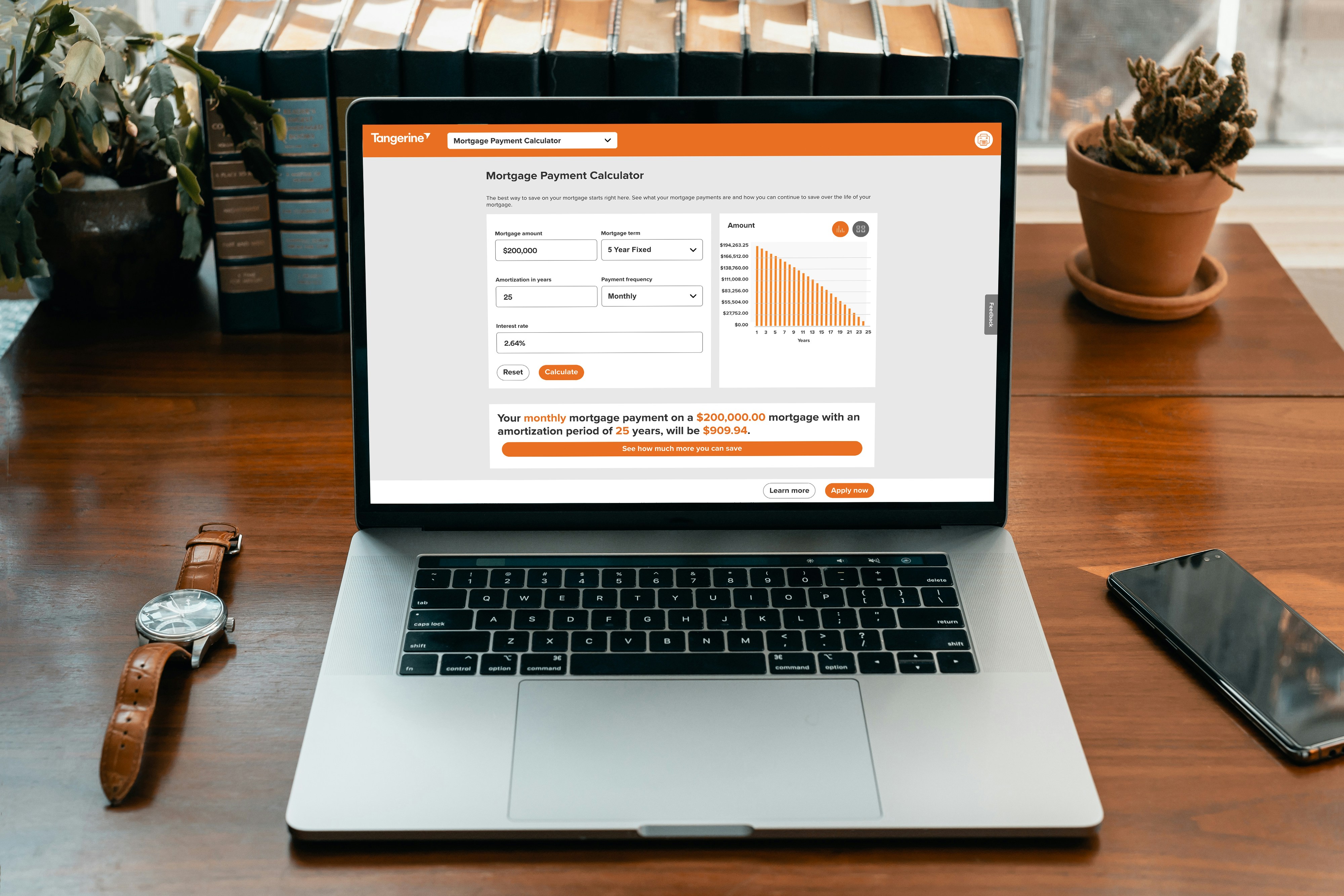
The recent spike in mortgage rates to 6.34% has significant implications for prospective homebuyers, particularly concerning their monthly payments and overall housing affordability. As borrowers face higher interest rates, the cost of financing a home increases, which can notably alter their purchasing power. For many individuals and families, this rise in rates may mean a substantial increase in their monthly mortgage payments, leading to more stringent budgets and a potential reevaluation of their homebuying aspirations.
Higher mortgage rates can deter potential buyers from entering the market, as the cumulative effect of increased interest culminates in higher total loan costs. Prospective homebuyers may find that the dream of owning a home is now more elusive, particularly in regions where home prices are already elevated. The combination of rising rates and substantial home prices leads to diminished affordability, pushing some buyers to defer their plans to purchase a home or to consider more budget-friendly options that may not meet their initial preferences.
This shift in borrower behavior can initiate a cascading effect on housing demand. In markets experiencing a robust demand, such as urban areas or regions with strong job growth, the impact may initially be less pronounced. However, as affordability issues become increasingly apparent, we may see a shift towards a more balanced market where buyers may take a pause or enter into negotiations for better terms. In contrast, less competitive housing markets may experience pronounced declines in demand, potentially leading to price adjustments as sellers adapt to the changing landscape of buyer behavior. This evolving scenario underscores the importance of understanding how rising mortgage rates intricately shape the dynamics of housing demand and borrowing confidence.
Current Market Conditions and Trends
The recent spike in mortgage rates, reaching 6.34%, can be attributed to a combination of economic factors that have significantly influenced the housing market. One of the most notable conditions is the ongoing supply constraints that many markets are experiencing. These constraints are often a result of limited housing inventory, which has been exacerbated by supply chain disruptions and labor shortages in the construction industry. Consequently, with fewer homes available for purchase, prospective buyers are finding themselves in competitive bidding situations, which frequently drives prices upward.
At the same time, demand in the housing market remains steady. Even with higher mortgage rates, many consumers still seek to capitalize on home purchases, spurred by the desire for stability and investment in real estate. This sustained demand is putting additional pressure on the already limited housing stock and is a key driver behind the increase in mortgage rates. Additionally, lenders are adapting their credit policies in response to these market conditions. With the elevated risk associated with higher interest rates, some lenders are tightening their underwriting standards. This shift may result in stricter requirements for credit scores, debt-to-income ratios, and verified income, creating further challenges for borrowers seeking to obtain favorable mortgage terms. It is important to recognize that these adjustments are designed to mitigate risk in an uncertain economic environment, but they can also limit access to credit for some potential homeowners.
Overall, the intersection of persistent supply constraints, consistent demand, and evolving lender policies outlines a complex landscape for mortgage rates. As these conditions develop, stakeholders in the housing market must remain vigilant and informed to navigate the potential implications on their financial decisions.
The Role of Borrower Profiles in Rate Variability
Borrower profiles play a critical role in determining mortgage rates, as lenders evaluate individual financial situations to assess risk before issuing loans. One of the most significant factors affecting rates is the borrower’s credit score. Typically, borrowers with higher credit scores—generally above 740—are perceived as less risky, leading to more favorable mortgage rates. Conversely, those with lower credit scores often face higher interest costs due to the increased likelihood of default. This variance in rates emphasizes the need for borrowers to maintain good credit health by managing debts and making timely payments.
Another vital consideration is the size of the down payment. Generally, a larger down payment is indicative of lower risk from the lender’s perspective. A down payment of 20% or more can not only help borrowers avoid private mortgage insurance (PMI) but also secure more advantageous interest rates. This is because lenders see less equity risk when borrowers have substantial financial skin in the game. Conversely, low or no down payment options, often available through programs like FHA loans, may lead to higher rates since the lender assumes more risk.
Furthermore, the type of loan also impacts the rates offered to borrowers. Conventional loans, for example, typically have stricter eligibility criteria compared to government-backed loans such as FHA or VA loans, which may accommodate borrowers with varied profiles. Each loan type comes with its own compensation structure for lenders, affecting how rates are set. Thus, individuals must carefully consider their financial profiles—including creditworthiness, down payment capacity, and loan type preferences—to navigate the complexities of mortgage rate variability effectively.
Future Outlook: What Lies Ahead for Mortgage Rates
The landscape of mortgage rates is subject to the complexities of various economic indicators that influence both lenders and borrowers. As we look ahead, it is crucial to consider the potential impact of upcoming economic reports related to inflation, consumer spending, and employment on mortgage rates, which currently stand at a notable 6.34%. Each of these factors tends to shape the broader financial environment, consequently affecting interest rates in the housing market.
Inflation remains a primary concern that has been consistently addressed by policymakers. Frequent reports suggest that sustained inflation could lead to further rate adjustments. If inflationary pressures persist, the Federal Reserve may opt for additional rate hikes to tame rising prices. This potential action would likely result in higher mortgage rates, making it imperative for prospective homebuyers to stay informed about these economic developments.
Consumer spending, another pivotal variable, directly influences economic growth. A robust increase in consumer expenditure typically signals a healthy economy, which could lead to increased demand for housing. However, should consumer confidence falter, it could result in decreased demand, thus exerting downward pressure on mortgage rates. Hence, understanding consumer sentiment and spending patterns can provide insights into future mortgage rate movements.
Employment data also plays a significant role in shaping mortgage rates. Low unemployment rates generally indicate a strong job market, which can bolster consumer confidence and encourage home buying. Conversely, if employment figures trend downward, it might lead to caution among lenders, influencing their willingness to offer lower rates. Consequently, keeping a close watch on these employment trends is essential for anyone navigating the mortgage landscape.
In conclusion, monitoring these economic indicators is vital for both lenders and borrowers. By staying informed about inflation, consumer spending, and employment trends, stakeholders can make strategic decisions about mortgages amid potential fluctuations in rates. Understanding these dynamics will be key to effectively navigating the mortgage market in the months to come.
Strategies for Homebuyers in a Rising Rate Environment
As mortgage rates continue to rise, currently peaking at 6.34%, potential homebuyers face a challenging landscape when it comes to financing their home purchases. However, there are several strategies that can be employed to mitigate the impact of increasing rates and make homeownership more attainable.
One effective approach is to consider paying points at the closing of the mortgage. By opting to pay upfront points, which are a form of prepaid interest, buyers can effectively lower their monthly mortgage payments. This tactic can be particularly beneficial if the homeowner plans to stay in the property for an extended period, as the initial expense may result in substantial long-term savings. Calculating the break-even point for the cost of points can help determine whether this option makes financial sense.
Additionally, exploring various loan programs can offer strategic advantages. For example, adjustable-rate mortgages (ARMs) typically start with lower initial rates that can offer substantial savings in the first few years of the loan, although they may be subject to subsequent adjustments. Furthermore, government-backed loans, such as FHA or VA loans, might offer better terms or lower down payment requirements, appealing to first-time homebuyers or those with limited funds.
Moreover, considering flexible repayment structures can also serve as an effective strategy in a rising rate environment. Options such as interest-only loans allow buyers to manage their initial cash flow better, as they only pay the interest for a set period before beginning to pay down the principal. However, it is crucial to evaluate the risks associated with these options, particularly the potential for payment increases down the line.
Thorough research and consultation with financial advisors or mortgage professionals can empower homebuyers to navigate the complexities posed by rising mortgage rates. By employing a combination of these strategies, buyers can find a path to homeownership despite the challenging economic climate.
The Importance of Tailored Guidance in Lending
In the ever-evolving landscape of mortgage lending, the recent spike in mortgage rates, which now stands at 6.34%, underscores the necessity for personalized guidance tailored to individual borrowers. Securing a mortgage has always been a significant decision, and in light of fluctuating interest rates, the stakes are even higher. Borrowers must navigate a complex array of options and requirements, making it crucial to seek expert advice that aligns with their unique financial situations.
Tailored guidance plays an essential role in helping borrowers understand the implications of current mortgage rates on their purchasing power. Each individual’s financial profile, including credit score, debt-to-income ratio, and overall goals, can significantly influence mortgage eligibility and potential terms. A one-size-fits-all approach is inadequate and may lead to missed opportunities or poor financial decisions. Professionals who specialize in mortgage lending can provide insights into various loan products, interest rate forecasts, and regional market trends, empowering borrowers to make informed choices.
Moreover, personalized advice allows borrowers to explore alternative financing solutions that may better suit their circumstances. For example, fixed-rate mortgages might offer stability during uncertain economic times, while adjustable-rate mortgages could provide initial lower payments for those planning to move within a few years. As mortgage rates continue to fluctuate, understanding these nuanced options can be critical in optimizing the loan process and ultimately enhancing the chances of successful homeownership.
Therefore, in a climate where rates are shifting, the value of tailored guidance cannot be overstated. Engaging with a knowledgeable mortgage advisor can illuminate the path forward, helping borrowers navigate the complexities of lending and secure the best possible mortgage terms to meet their needs.
Preparing for Mortgage Market Changes
The recent spike in mortgage rates to 6.34% marks a significant shift in the housing market landscape. This increase can substantially impact various stakeholders, including homebuyers, homeowners looking to refinance, and investors in real estate. Understanding this shift is crucial for anyone engaged in or considering entering the mortgage market.
For potential homebuyers, the rise in mortgage rates can affect affordability and influence purchasing decisions. Higher borrowing costs may lead to reduced loan amounts, compelling buyers to reassess their budget or settle for smaller homes or different locations. Staying informed about market conditions, including mortgage trends and economic indicators, will help buyers navigate these challenges more effectively.
Homeowners planning to refinance must also carefully consider the current rates. With higher rates, the advantages of refinancing may diminish, prompting homeowners to weigh their options more judiciously. Those who have existing fixed-rate mortgages may benefit from holding onto their current loans instead of refinancing into a higher-rate product.
Investors must remain vigilant regarding these changes as well. A fluctuating mortgage rate environment can affect demand for rental properties and the overall real estate market, potentially altering investment strategies. Keeping a pulse on economic trends and housing supply will be key for successful navigation in this evolving terrain.
In summary, actively monitoring mortgage rates and understanding the implications of their rise is essential for all parties involved. By staying informed, stakeholders can make strategic decisions that align with their financial goals and ensure they are well-prepared for potential changes in the mortgage market. Preparedness and adaptability will be crucial as the landscape continues to shift in the months ahead.