
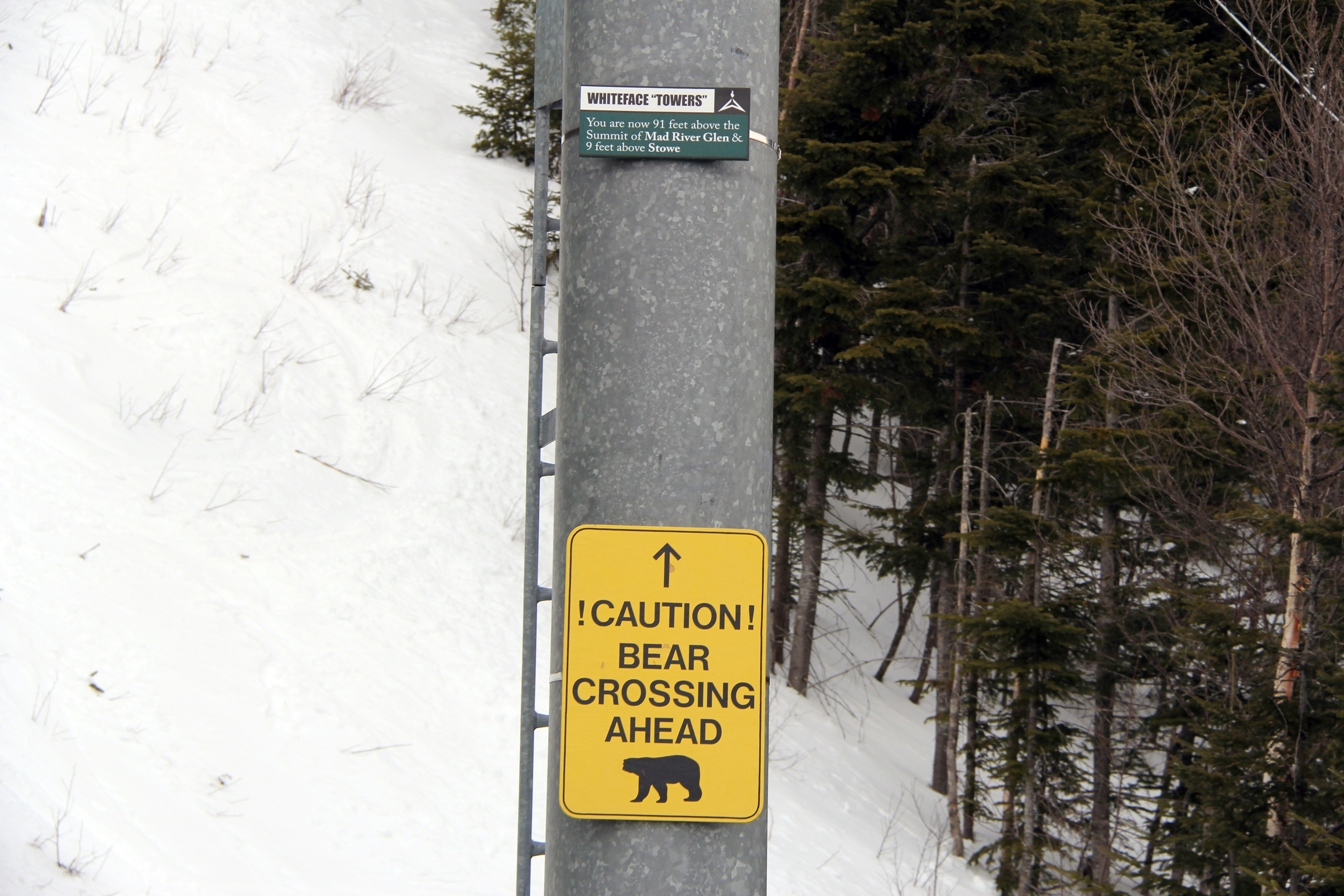
A Driver’s Misjudgment on Black Bear Pass
On a frigid winter day, a South Carolina driver disregarded explicit warnings about the hazardous conditions on Black Bear Pass and chose to drive their Kia Telluride up Black Bear Road. Despite the advisories indicating that the pass was closed due to significant snowfall and treacherous ice, the driver’s decision to continue was both reckless and ill-advised. At the time, the area was experiencing severe winter weather with reduced visibility, accumulations of snow reaching several feet, and the inherent risks associated with mountainous terrain.
The conditions of Black Bear Pass rendered it particularly perilous. Snow and ice can easily obscure the road’s natural contours, leading to unforeseen hazards such as hidden boulders and steep drop-offs. As the driver advanced up the pass, they quickly encountered difficulties due to the slippery surface and complicated navigation of narrow turns. Realizing they could not continue safely, the motorist found themselves in a precarious situation, ultimately becoming stranded. This incident highlights the urgency of heeding warnings, especially in areas prone to extreme winter conditions.
Responding promptly, local rescue teams were dispatched to retrieve the stranded vehicle and assist the driver. The operation to recover the Kia Telluride was challenging due to the weather conditions and the treacherous state of the road. Such calls for rescue in wintertime are not uncommon, underlining the vital necessity for drivers to respect seasonal closures and advisories. By disregarding these critical warnings, the driver not only put themselves at significant risk but also necessitated the deployment of emergency resources, which is a concern for public safety and preparedness.
In light of this incident, it is imperative for all travelers to approach winter driving with caution and awareness. Ensuring a thorough understanding of environmental conditions and adhering to posted instructions can prevent hazardous situations and promote safety on the roads.
Why Black Bear Pass Closes in Winter
Black Bear Pass, renowned for its breathtaking vistas and challenging terrain, becomes an intricate puzzle during the winter months. Seasonal closure is imperative due to a combination of severe weather conditions and the challenging geographical landscape that this pass presents. Harsh winter climates lead to heavy snowfall, often resulting in deep snowdrifts that can obscure the road and create hazardous driving conditions. The unpredictable nature of winter storms means that conditions can deteriorate rapidly, making travel perilous.
Another notable concern is the steep grades that characterize Black Bear Pass. The incline, while exhilarating for experienced drivers in optimal conditions, becomes significantly more treacherous under winter’s grip. Vehicles can struggle to maintain traction on slick, icy surfaces, leading to potential loss of control. This is particularly worrying given that the narrow path leaves little room for error; a misjudgment can have dire consequences. Additionally, the risk of rockfall is heightened during winter when freeze-thaw cycles can dislodge rocks from the precarious cliffs that line the pass.
Moreover, the remote nature of Black Bear Pass exacerbates the dangers associated with winter travel. In the event of a vehicle becoming stranded due to snow or ice, help may be far away, making it crucial for individuals to respect the road’s seasonal closure. Winter conditions not only threaten the safety of drivers but also challenge emergency response teams who would be tasked with navigating treacherous routes to assist stranded travelers. Therefore, it is vital to recognize the inherent risks that accompany traversing Black Bear Pass in winter, highlighting the necessity for caution and the importance of adhering to closure protocols.
Balancing Recreation and Risk Management
The closure of Black Bear Pass serves as a notable illustration of the intricate balance between encouraging outdoor recreation and effectively managing safety risks. Authorities responsible for managing such extreme terrains must prioritize the safety of individuals while still promoting the enjoyment of natural landscapes. In regions like Black Bear Pass, where the allure of adventurous activities such as hiking and off-roading significantly attracts visitors, there is an increasing responsibility to ensure that safety regulations and guidelines are clear and enforced. This is particularly critical given the unpredictable nature of winter conditions that can quickly escalate risks.
To maximize safety, it is vital for authorities to engage in proactive risk management strategies. This can involve regular assessments of trail conditions and the implementation of signage that educates the public about potential hazards. Moreover, public awareness campaigns regarding the importance of preparedness and respect for nature’s unpredictability are essential. When individuals have a thorough understanding of the risks, they can make informed decisions about their recreational pursuits.
Safety measures in challenging environments, however, also necessitate a well-coordinated response for rescue operations. These operations can be particularly complicated by severe weather conditions and the ruggedness of the terrain. For instance, when snow obstructs trails, or when inclement weather creates avalanche risks, rescue teams face significant challenges. Efficient coordination between local law enforcement, search and rescue squads, and emergency medical services is crucial for ensuring timely response. This cooperation is even more critical when the environment itself presents obstacles for access and communication. Ultimately, while recreational activities in such breathtaking landscapes are highly valued, prioritizing safety through effective risk management and responsive strategies is essential to protect both individuals and the natural environment. In conclusion, the implications of this incident highlight the need for a balanced approach that prioritizes safety without diminishing the joy of exploring extreme terrains.
The Future of Black Bear Pass Access
The indefinite closure of Black Bear Pass marks a significant challenge for both the local community and outdoor enthusiasts. Understanding the implications of this closure is crucial for anticipating when access may potentially resume. Several critical factors will influence the timeline for reopening the road. Primarily, the weather conditions during the winter months have been identified as a potent determinant. Heavy snowfall and freezing temperatures can exacerbate road safety issues, necessitating thorough assessments before any reopening can be considered.
In addition to weather, road stabilization efforts play an essential role in ensuring safe passage for travelers. Maintenance crews must evaluate the pass for potential hazards, including rock slides and fallen trees, which can delay the reopening process. Ongoing risk assessments are vital to establish a comprehensive understanding of the hazards that may persist even after initial stabilization efforts are completed. This ensures the safety of all users—be they local residents, tourists, or recreational mountain-goers.
The implications of this closure extend beyond immediate accessibility. Local economies that thrive on tourism will likely experience adverse effects, as the pass is a popular route for adventurers seeking scenic views and outdoor activities. With fewer visitors to the area, businesses dependent on tourism revenue may face financial strains. Furthermore, mountain-goers must reevaluate their plans and practices, taking into account seasonal restrictions that may impact their access to other trails and areas in the vicinity.
As the community and stakeholders navigate the challenges posed by the closure of Black Bear Pass, the need for awareness and preparedness remains paramount. Individuals looking to enjoy the outdoors must remain vigilant about ongoing developments, ensuring that they respect and adhere to any new regulations that arise as a result of road assessments and safety measures.