
GIP’s Proposed Acquisition
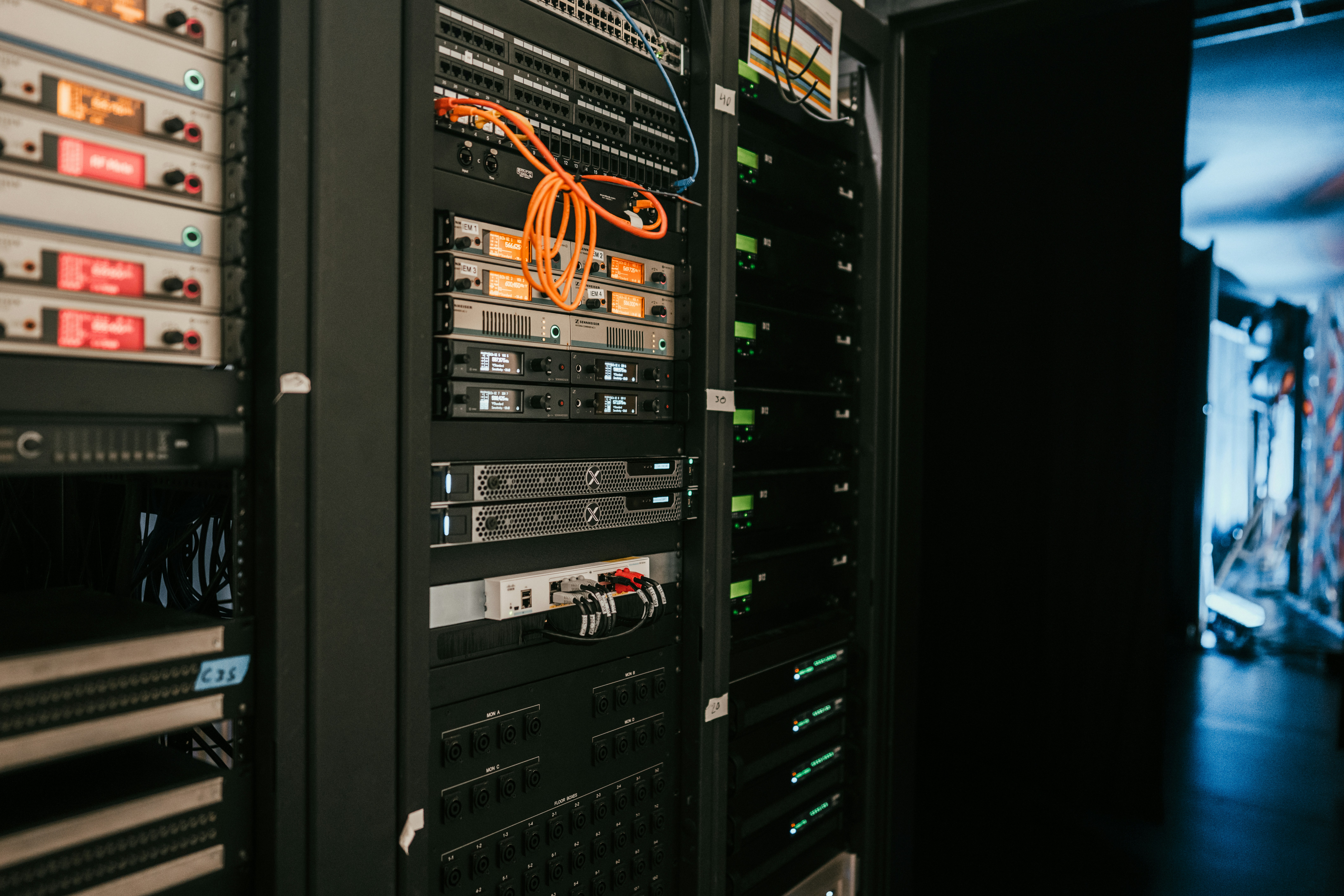
Global Infrastructure Partners (GIP), a leading independent infrastructure investment fund, has emerged as a major player in the capital markets, particularly in the realm of technology infrastructure. With a focus on energy, transportation, and digital infrastructure, GIP actively seeks strategic investments that align with market trends. Recently, the firm has expressed a keen interest in acquiring Aligned Data Centers, with the proposed acquisition valued at an impressive $40 billion. This potential deal underscores GIP’s commitment to enhancing its portfolio and responding to the increasing demand for data center services.
The significance of this acquisition lies primarily in the growing reliance on data infrastructure as businesses pivot towards digital transformation. With the rapid advancement of artificial intelligence (AI) and the subsequent surge in demand for robust data processing capabilities, acquisitions such as that of Aligned Data Centers represent a strategic move to capitalize on these trends. Aligned Data Centers, known for its innovative approach to energy-efficient data solutions, aligns well with GIP’s mission to invest in sustainable infrastructure projects.
Furthermore, as AI spending continues to escalate, industry experts anticipate a corresponding increase in the demand for sophisticated data centers capable of handling substantial workloads. GIP’s proposed acquisition aims to position the firm at the forefront of this burgeoning market, providing it with a competitive edge in an increasingly crowded landscape. Through this acquisition, GIP not only seeks to expand its asset base but also to reinforce its commitment to investing in companies that are integral to the future of technology and infrastructure.
In summary, GIP’s interest in acquiring Aligned Data Centers is a reflection of the evolving investment landscape, driven largely by the exponential growth in AI spending. The implications of this proposed deal may resonate throughout the industry as stakeholders analyze the potential impact on infrastructure investment trends.
The Rise of AI Spending and Its Impact on Data Infrastructure
The recent surge in artificial intelligence (AI) spending has marked a significant transformation in the landscape of data infrastructure. Organizations across various sectors are increasingly allocating substantial budgets toward AI technologies, driven by the need to enhance operational efficiency, improve decision-making processes, and deliver superior customer experiences. This trend necessitates the development of robust data centers that can support the intensive computational requirements of AI workloads.
AI workloads are characterized by their unique demands, which differ substantially from traditional computing tasks. They require high-performance computing systems with substantial processing power, memory, and storage capabilities to manage large datasets seamlessly. Moreover, scalable infrastructure is critical as organizations need to adapt quickly to shifting data usage patterns and the growth of AI models. As a result, the appetite for cutting-edge data centers that can handle these complexities is increasing, leading to heightened investment in this area.
The emphasis on scalability and reliability has prompted a shift in investment patterns within the data infrastructure market. Investors are turning their focus towards companies that can provide innovative solutions capable of meeting the rigorous standards set forth by AI technologies. This change is not merely a response to current demands but also a proactive approach to future-proofing assets as AI continues to evolve. The anticipated growth in AI spending underscores the pressing need for data centers that not only meet today’s requirements but also anticipate tomorrow’s challenges.
Furthermore, the integration of AI in various applications necessitates continuous upgrades and adaptability in infrastructure. Hence, organizations are not just investing in physical data centers but are also exploring hybrid models, cloud solutions, and edge computing environments to optimize performance. As AI spending escalates, it becomes increasingly evident that a well-structured and scalable data infrastructure is crucial for driving innovation and maintaining a competitive edge in the market.
Aligned Data Centers: Key Player in the AI Era
Aligned Data Centers has emerged as a pivotal entity within the rapidly evolving landscape of artificial intelligence (AI). As organizations increasingly integrate AI technologies, the demand for robust data infrastructure has skyrocketed. Aligned’s business model is strategically aligned with this trend; it focuses on providing scalable, efficient data center solutions tailored to meet the unique requirements of AI workloads. The company’s emphasis on modular designs allows for flexible expansion, responding directly to the burgeoning need for processing power and storage.
One of the standout elements of Aligned’s portfolio is its advanced cooling and power systems. These elements are critical for maintaining optimal operational efficiency in data centers, especially when handling the extensive computational demands of AI applications. Aligned’s facilities use innovative cooling technologies that enhance energy conservation while minimizing operational costs. This approach not only contributes to sustainability but also assures clients of uninterrupted service delivery, which is paramount for AI systems that operate continuously and require reliable uptime.
Moreover, Aligned’s strategic positioning at the intersection of connectivity, power, and cooling infrastructure sets it apart from competitors. With locations in key markets, the company ensures low-latency access to critical resources while adhering to rigorous standards for energy efficiency. This capability is particularly beneficial for enterprises deploying AI solutions, as it enables minimal lag time in data processing and retrieval. Additionally, Aligned’s commitment to hybrid and multicloud strategies further enhances its attractiveness as a partner in AI readiness, allowing businesses to tailor their data strategies effectively.
In conclusion, Aligned Data Centers’ comprehensive approach to power, cooling, and connectivity firmly establishes it as a key player in the AI era, poised to support companies seeking to leverage the power of artificial intelligence.
GIP’s Strategic Interests in the Acquisition
Global Infrastructure Partners (GIP) has consistently demonstrated a strong commitment to enhancing its portfolio within critical infrastructure sectors. The proposed acquisition of Aligned Data Centers signifies a pivotal shift in GIP’s strategy, as it seeks to bolster its presence in the rapidly evolving landscape shaped by the surge in artificial intelligence (AI) spending. One of the principal motivations behind this transaction is GIP’s objective to capitalize on the increasing demand for data centers, which are essential for supporting the infrastructure required by AI technologies.
The growth of AI has transformed the digital economy, necessitating robust, scalable, and efficient data storage solutions. GIP’s interest in acquiring Aligned Data Centers aligns seamlessly with their broader aim to invest in high-demand sectors that will yield sustainable returns. By integrating Aligned’s cutting-edge facilities into its portfolio, GIP can position itself to benefit from shifts in technology and consumer behavior that increasingly prioritize data-driven solutions.
Moreover, the acquisition represents GIP’s strategic foresight in recognizing the essential role of critical infrastructure in fostering innovation and supporting emerging markets. Aligned Data Centers not only offers advanced data storage capabilities but also complements GIP’s existing investments in energy and sustainability, providing an opportunity to promote environmentally responsible practices within the technology sector. This synergy could enhance GIP’s competitive edge in managing sustainable infrastructure investments.
Additionally, GIP’s acquisition strategy often seeks to mitigate risks associated with market volatility while pursuing avenues for substantial growth. Investing in Aligned Data Centers allows GIP to diversify its holdings, ensuring resilience against economic fluctuations while simultaneously tapping into the lucrative prospects presented by the ongoing AI revolution. As demand continues to skyrocket, GIP’s commitment to aligning its strategic interests with the evolving technological landscape illustrates its ambition to remain at the forefront of infrastructure investment.
Market Dynamics and Competitive Landscape
The data center market is undergoing a significant transformation, driven by the rapid evolution of technology and increasing demand for digital services. This transformation is characterized by a surge in investment from various key players, including hyperscalers, cloud providers, and enterprise users. As organizations prioritize digital transformation, the need for robust data infrastructure has never been more critical.
Hyperscalers, such as Amazon Web Services, Microsoft Azure, and Google Cloud, are at the forefront of the data center revolution. Their expansive operations require substantial investments in data infrastructure to manage increased workloads efficiently. These entities are not only expanding their own data center capacities but also driving innovations in energy efficiency and resource allocation. The competitive landscape is increasingly influenced by their pursuit of advanced technologies, including artificial intelligence, which demands high-performance computing resources.
Cloud service providers play a similar role, influencing the market with their tailored solutions that cater to different segments, including small to medium-sized enterprises (SMEs). The shift towards hybrid and multi-cloud strategies has further intensified competition, prompting providers to develop versatile and scalable data center offerings. In response to these demands, cloud companies are engaging in partnerships and joint ventures with data center operators to enhance service delivery and operational efficiency.
Meanwhile, enterprise users are re-evaluating their data management strategies amid a backdrop of growing cybersecurity concerns and compliance regulations. Organizations are increasingly inclined to invest in colocation and specialized data center services that offer them flexibility and control over their resources. This shift underscores the need for data center operators to adopt a customer-centric approach, ensuring they can meet the diverse requirements of their clients while remaining competitive in a rapidly evolving market.
Financial Implications of the Proposed Deal
The proposed acquisition of Aligned Data Centers by GIP for approximately $40 billion carries significant financial implications, not only for the involved parties but also for the broader investment landscape. A fundamental aspect of this transaction involves identifying potential funding sources. GIP, being a notable player in private equity, is likely to utilize a mixture of its existing capital resources, debt financing, and possibly even partnerships with institutional investors. This financing strategy could set a precedent for future transactions within the sector, influencing financial institutions and investors in their approach to similar deals.
Another aspect worth considering is the impact of this acquisition on future pricing benchmarks. The $40 billion valuation may redefine market expectations surrounding data center acquisitions, especially in light of the surging AI spending. As other firms evaluate their own investment opportunities, this deal could lead to increased competition for assets seen as valuable within the infrastructure sector. Consequently, similar transactions may experience heightened pricing pressure, thereby accelerating valuations across the board and affecting overall market dynamics.
Moreover, this acquisition aligns with the broader trends observed in the investment strategies of private equity and infrastructure firms. By acquiring Aligned Data Centers, GIP is not only positioning itself to benefit directly from the booming demand for data center services propelled by advancing AI technologies but is also signaling confidence in the long-term viability of the sector. This strategic move suggests that GIP’s investment portfolio is evolving, focusing heavily on sectors poised for significant growth. Overall, this acquisition could signify a shift in investment priorities, urging other firms to reconsider their allocation strategies and drive further activity in this burgeoning market.
Potential Impact on Aligned and Macquarie
The anticipated $40 billion acquisition of Aligned Data Centers by GIP carries significant implications for both the data center company and its existing backer, Macquarie. As a leading provider of sustainable data center solutions, Aligned stands to benefit from the resources and expertise that come with being part of a larger investment firm. GIP’s diversified portfolio could pave the way for Aligned to explore new avenues for growth and innovation, particularly in the fast-evolving landscape of artificial intelligence and data consumption.
One of the key advantages for Aligned under GIP’s ownership is the potential for increased capital investment. With access to greater financial resources, the company can upscale its operations and enhance its service offerings. This expansion is especially pertinent given the surging demand for data centers driven by AI advancements. Aligned is in a prime position to capitalize on this trend through strategic investments in technology and infrastructure. Furthermore, the acquisition may provide Aligned with valuable insights into global data center trends and customer expectations, which can inform its operational strategy.
However, the success of this transaction largely depends on effective governance and integration processes post-acquisition. Macquarie, as the current backer, has played a crucial role in shaping Aligned’s initial growth trajectory. Therefore, aligning corporate cultures, ensuring operational synergy, and maintaining stakeholder engagement will be central to achieving the desired outcomes from this acquisition. Clear communication and an inclusive integration strategy will be vital to minimize disruptions and harness the full potential of the new ownership structure. Such efforts not only reflect good governance but also serve to bolster stakeholder confidence, ultimately facilitating a smoother transition and sustained growth for Aligned Data Centers in its new chapter.
Industry Reactions and Future Outlook
The proposed acquisition of Aligned Data Centers by GIP, valued at $40 billion, has elicited a variety of reactions from industry officials and market observers. Many experts view this deal as a significant indicator of the growing demand for data centers, particularly as the adoption of artificial intelligence (AI) accelerates across various sectors. The need for robust data infrastructure is becoming increasingly apparent, and this transaction underlines the importance of investing in such facilities to support the burgeoning AI landscape.
Industry officials have expressed mixed sentiments regarding the merger. Some believe that this consolidation will lead to increased innovation, as larger players can allocate more resources to research and development. Conversely, others are concerned about potential monopolistic behavior that could stifle competition in the data center market. This concern becomes especially relevant given the pivotal role that AI systems play in driving technological advancements and enhancing operational efficiencies across industries.
Market observers have also raised questions about regulatory implications associated with this acquisition. Regulatory authorities may closely scrutinize the transaction, particularly with respect to antitrust laws and the potential for market dominance. This scrutiny could delay the approval process or impose conditions that alter the deal’s structure. The outcome of these deliberations may set a precedent for future mergers and acquisitions in the sector, impacting investor sentiment and strategic planning within the data center landscape.
Looking forward, the acquisition signals an optimistic outlook for investment in data centers. As AI continues to permeate various industries, the demand for efficient data processing and storage solutions will grow. Consequently, stakeholders in the data center market must adapt to these trends, ensuring they remain competitive and capable of meeting evolving client needs. Ultimately, the GIP and Aligned deal could reshape the landscape of data center investment, paving the way for further consolidation and development in an increasingly AI-driven world.
The Future of Infrastructure Investments in AI
As we evaluate the implications of GIP’s potential $40 billion acquisition of Aligned Data Centers, it becomes increasingly clear that this move is reflective of substantial trends within the infrastructure investment realm, particularly as they pertain to artificial intelligence (AI) expenditures. The burgeoning demand for data processing and storage driven by AI technologies illustrates a dynamic shift in investor focus towards data centers, which are foundational to AI applications.
This anticipated acquisition signals not only a strategic push by GIP into a market segment characterized by significant growth but also marks a pivotal moment for infrastructure investors as they align their portfolios with the rapidly evolving landscape dominated by AI. The surge in AI spending is reshaping traditional views on infrastructure assets, with data centers now regarded as critical pillars that support technological advancements and contribute to economic growth.
Furthermore, GIP’s investment strategy may help illuminate possible future opportunities within the infrastructure sector. Organizations that effectively adapt to the demands of AI technology will likely find themselves in a competitive advantage, benefiting from increased efficiencies and elevated service capabilities. Meanwhile, stakeholders should remain cognizant of challenges that may arise, such as the rising costs associated with energy and the need for sustainability-driven practices as data centers proliferate.
In conclusion, GIP’s pursuit of Aligned Data Centers exemplifies the interconnected nature of infrastructure investments and AI advancements. As the landscape evolves, investors will need to navigate both the rich opportunities and inherent challenges presented by this technological wave. The future of infrastructure investments, particularly in sectors influenced by AI, showcases an exciting yet complex evolution that warrants ongoing analysis and strategic foresight.