
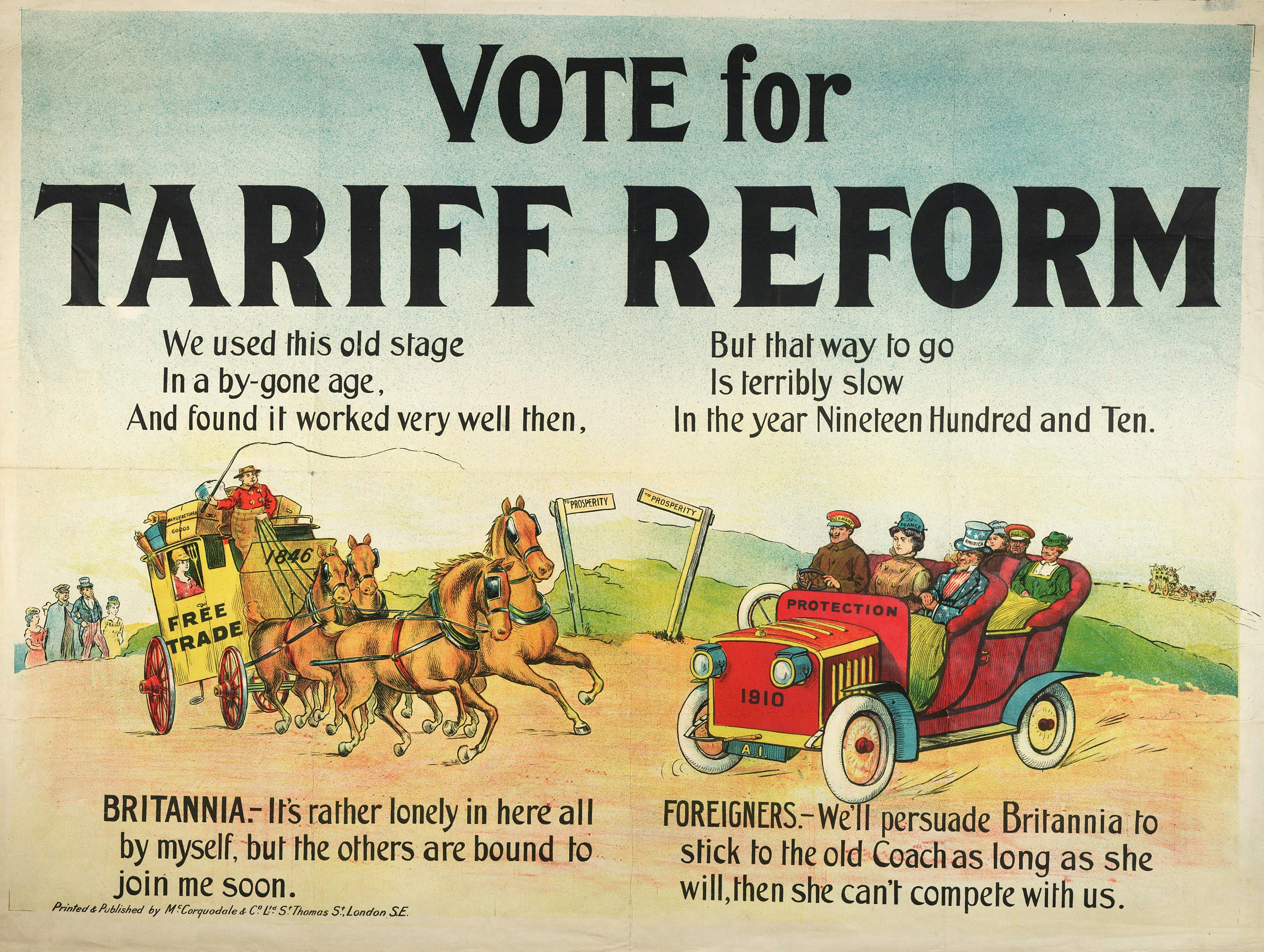
The State of Tariffs Half a Year Later
Six months have elapsed since the implementation of President Trump’s tariff regimen, a strategic move designed to protect domestic industries and bolster the national economy. This policy has significant implications, not only for trade relationships but also for markets and consumers within the United States and beyond. The primary objective of these tariffs was to recalibrate the balance of trade, reduce imports, and encourage American manufacturing. However, the repercussions of this approach have generated mixed reactions from various economic sectors, leading to an uncertain economic landscape.
Initially, the announcement of tariffs on imports from selected countries sparked optimism among certain U.S. industries, particularly those in manufacturing and agriculture, anticipating a surge in domestic production as foreign goods became more expensive. Nevertheless, financial markets reacted with palpable anxiety. Investors grappled with concerns over rising costs, potential retaliatory measures from other nations, and the ramified impacts on global supply chains. Such uncertainty has made it challenging for businesses to plan their strategies and investments effectively.
The effectiveness of Trump’s tariff regimen is still under scrutiny, particularly as it intersects with ongoing global economic trends. Businesses that rely on international trade face the potential for increased operational costs and disrupted relationships with suppliers. Moreover, consumers may also feel the pinch in the form of rising prices for various goods. Consequently, while some sectors have benefitted from the push towards domestic production, others are grappling with the adverse consequences associated with shifting trade policies.
As we analyze the current state of tariffs, it is vital to understand their evolving impact on the economy, business operations, and consumer behavior. This exploration will address both the opportunities and challenges stemming from Trump’s tariff regimen, providing a comprehensive outlook on its overall effectiveness and future implications.
Market Reactions: Volatility and Uncertainty
The announcement of tariffs by the Trump administration marked a significant turning point in market dynamics, creating an atmosphere of volatility and uncertainty. In the immediate aftermath, investor sentiment shifted dramatically as the implications of these tariffs began to resonate within the financial markets. Concerns about potential trade wars prompted an immediate response, leading to sharp declines in stock indices and an increase in market fluctuations. The uncertainty surrounding the tariffs, which were primarily aimed at China, raised serious doubts about the stability of international trade relations and their potential consequences for U.S. economic growth.
As markets adjusted to this new reality, the volatility became pronounced, reflecting a broader apprehension regarding the long-term impacts of tariffs not only on domestic businesses but also on global economic interdependencies. Key sectors such as agriculture, manufacturing, and technology experienced heightened fluctuations driven by fears of retaliatory measures from affected nations. The continuous updates regarding tariff implementation and negotiations further fueled investor anxieties, resulting in short-term trading strategies that amplified market swings.
Contrasting perspectives regarding an impending recession emerged. While some analysts projected economic downturns as a direct result of increased tariffs, others noted the resilience of the economy, supported by strong labor markets and consumer spending. This dichotomy led to mixed forecasts, leaving investors grappling with uncertainty. The ambiguous nature of the economic landscape forced many to reconsider their investment strategies, contributing to an overall cautious approach among market participants. As such, the interplay of tariffs and market responses highlighted the critical need for adaptability in forecasting economic outcomes amidst rapid changes in trade policy.
Economic Resilience Amidst Tariff Concerns
In the face of ongoing tariff-related uncertainties, various economic indicators suggest a degree of resilience within the U.S. economy. Despite fluctuations in market sentiment stemming from trade tensions, certain metrics indicate a stable economic performance that could potentially counterbalance negative impacts. One such indicator is job growth. Over the past six months, the labor market has continued to expand, adding jobs at a steady pace. The unemployment rate remains near historic lows, which reflects not only the strength of consumer demand but also business confidence to invest in human capital.
Furthermore, Gross Domestic Product (GDP) growth has shown positive trends, highlighting the economy’s capacity to perform despite external pressures. Recent reports indicate that the U.S. economy has sustained a moderate growth rate, which can be attributed to resilient consumer spending and a robust service sector. The continuous expansion suggests that even amidst tariff apprehensions, many businesses are adapting to the current climate by adjusting their supply chains and exploring new markets.
Another aspect underscoring the economy’s resilience is the level of business confidence. Surveys conducted among business leaders reveal a mixed outlook yet emphasize the ability of firms to navigate challenges posed by tariffs. Many firms have reported taking proactive steps, such as diversifying suppliers or investing in domestic production, to mitigate the risks associated with potential trade disruptions. This adaptability can serve as a buffer against the uncertainties that tariffs introduce to market dynamics.
Overall, while tariffs have undoubtedly caused fluctuations in market sentiment, key economic indicators point to a resilient economy that, at least for the time being, is finding ways to weather the storm. Future developments will determine the longevity of this resilience, but the current data offers a glimpse of an economy capable of adjusting and thriving even amid uncertainties.
Recalibrating Supply Chains: Industry Adaptations to Tariff Policy
The evolving landscape of tariff policies has compelled firms to reassess and recalibrate their supply chains significantly. As companies grapple with the uncertainties stemming from tariff implementations, a strategic pivot has become paramount to maintain competitive advantage and operational efficiency. One of the predominant strategies employed by firms is the diversification of their sources for critical components and raw materials. By broadening their supply base, companies can mitigate risks related to supply disruptions and price volatility caused by abrupt tariff changes.
Moreover, many organizations have opted to pass increased costs onto consumers as a direct response to tariffs. This approach, while potentially manageable for large firms, poses risks for smaller businesses that may find it challenging to absorb the financial burden associated with elevated production costs. The decision to raise prices hinges on market conditions and consumer sensitivity, leading to a delicate balance that firms must navigate carefully to sustain demand and profitability.
In addition to these strategies, firms are increasingly turning to hedging techniques to protect themselves against unforeseen shifts in tariff policy. By employing financial instruments or engaging in forward contracts, companies can lock in prices and reduce uncertainty in their cost structures. This proactive approach not only fosters stability in financial planning but also enhances overall resilience in the face of volatile trade policies.
Lastly, firms are exploring regional manufacturing alternatives, accelerating the trend of reshoring or building new facilities closer to the end consumer. This shift not only reduces transportation costs and lead times but also aligns production more closely with local demand, further decreasing the impact of tariffs on operational frameworks. In the current climate of fluctuating tariff policies, companies that adapt their supply chains strategically are positioning themselves to navigate challenges while capitalizing on emerging opportunities.
Inflation Pressures: The Impact of Higher Import Costs
The imposition of tariffs has significant repercussions for both import costs and domestic price levels, serving as a primary mechanism through which trade policy influences inflation. Higher tariffs on imported goods invariably lead to increased costs for businesses that rely on these imports for their production processes. As companies face elevated expenses, they may pass these costs on to consumers in the form of higher prices. This dynamic threatens to elevate the overall inflation rate, impacting household purchasing power and potentially triggering a further cycle of inflationary pressures.
Domestic inflation can also be exacerbated by the interplay between supply and demand. As import costs rise, domestic producers may attempt to fill the gaps left by reduced imports, potentially increasing their own prices in response to heightened demand for local products. However, if productivity does not improve concurrently, the struggle to maintain supply could also contribute to inflation. This scenario may compel consumers to adjust their spending habits, prioritizing essential commodities while curtailing expenditure on discretionary items, thereby affecting growth within various sectors of the economy.
Moreover, the uncertainty stemming from ongoing trade disputes can hinder business investment decisions. Companies may be reluctant to invest in expansion or new projects while tariffs remain unpredictable and could lead to complacency in productivity advancements. Over time, this stagnation could contribute to a slower growth trajectory, perpetuating a cycle of elevated prices and reduced economic dynamism. In light of these complexities, policymakers must carefully consider the potential ramifications of maintaining current tariffs, as their long-term effects could significantly shape the domestic inflation landscape.
Political Dynamics: Trade Partners and Diplomatic Issues
The intricate web of international diplomacy significantly influences the current tariff situation, as trade relationships are often shaped by political dynamics and negotiations between countries. As tariff disputes unfold, the interactions between trade partners can impact not only the imposition of tariffs but also potential concessions that may alter economic landscapes. With major economies such as the United States, China, and the European Union involved, the stakes are notably high in determining market stability and investor confidence.
Negotiations surrounding tariffs are often fraught with political undertones. Trade partners may leverage tariffs as tools for negotiating broader issues, creating a complex environment where diplomatic relations influence economic decisions. For example, when leaders engage in discussions about tariffs, they may also consider related diplomatic issues, such as security alliances or environmental agreements. Therefore, the resolution of tariff disputes could be contingent upon a multitude of factors that extend beyond economic rationale.
Furthermore, potential concessions can lead to fluctuations in market pricing, as businesses adjust to the changing landscape of trade agreements. If one nation agrees to lower tariffs, it may compel other countries to respond similarly, resulting in a domino effect that reshapes trade dynamics. These adjustments can significantly impact the prices of imported goods and affect domestic industries reliant on international supply chains. The uncertainty surrounding tariffs places additional pressure on businesses, prompting them to reassess their strategies in light of shifting international relations.
In this context, the role of diplomatic negotiations remains paramount, as trade partners continue to navigate the balance between competitive positioning and cooperative engagement. The political climate not only dictates the behavior of nations but also reverberates through the global market, highlighting the need for businesses to remain vigilant in monitoring these developments.
Future Expectations: What Will Determine Tariff Trajectories?
The future of tariff policies remains uncertain, as several factors will significantly influence their trajectories in the upcoming months. One of the primary determinants is the political landscape, particularly the commitments made by current and future administrations. Changes in leadership can lead to shifts in trade policies, which in turn can alter the duration and scale of tariffs. Political stability or turmoil can further exacerbate or alleviate investor concerns, highlighting the importance of monitoring the political climate for indications of policy adjustments.
In addition to political factors, sector-specific impacts must be considered when evaluating the future of tariffs. Different industries respond variably to tariff impositions, with some experiencing severe disruptions while others may adapt more easily. For example, sectors reliant on imported raw materials may face increased costs, ultimately leading to potential price hikes for consumers. Conversely, domestic industries that benefit from protective tariffs may exhibit growth, influencing overall market dynamics. Investors should keep a close eye on these developments, as they will play a critical role in shaping the future of trade policies.
Furthermore, the release of new economic data will serve as a key guiding factor for investor decisions. Data related to inflation rates, employment statistics, and GDP growth can shed light on the overall economic environment and impact governmental decisions surrounding tariffs. For instance, rising inflation might prompt policymakers to reconsider their stance on tariffs to stabilize prices, while favorable economic indicators could encourage a more lenient approach. These changing economic conditions underscore the necessity for investors to stay informed and agile in their responses to evolving tariff landscapes.
Evaluating Risks: The Long-Term Economic Implications
The implementation of tariffs, as orchestrated under former President Trump’s administration, has ushered in a period of uncertainty that may have profound long-term economic implications. Tariffs, while intended to protect domestic industries, can also disrupt funding, lending, and investment across various sectors. Businesses often face increased costs due to tariffs imposed on imported goods, leading to decreased profit margins. This financial strain results in reassessments of budgets and may ultimately reduce the amount of capital available for investment.
Additionally, the unpredictable nature of tariff policy can foster an environment of risk aversion among lenders and investors. When businesses cannot accurately forecast costs, they may struggle to make informed decisions regarding expansion or innovation. This lack of clarity may weaken consumer confidence, as market players become uncertain about future pricing structures and the overall economic landscape. Consequently, banks and financial institutions may tighten lending criteria, as they view potential borrowers through the lens of increased risk. Such a reaction can further exacerbate issues related to capital flow, stifling opportunities for growth and development.
It is also crucial to understand the international ramifications of the tariff policies. Global supply chains often rely on seamless transactions across borders. Tariffs complicate these relationships, potentially leading to retaliatory measures from affected countries. In the long run, this can result in a fragmented global economy where trade partnerships weaken, adversely affecting export-oriented sectors. Thus, an understanding of the interconnectedness of the global market is essential when evaluating the holistic effects of tariffs.
Seeking clarity in tariff policies is vital for all stakeholders involved. Without such clarity, the intrinsic risks associated with tariffs may inhibit economic progress, hindering funding availability, limiting access to capital, and ultimately stalling investment across critical sectors. A comprehensive approach to tariff policy, characterized by transparency and predictability, could mitigate these risks and align economic growth with strategic development goals.
Landscape of Uncertainty
The ongoing uncertainties surrounding tariffs remain a prominent issue impacting various sectors, including businesses, workers, and consumers. Despite the passage of six months since the initial announcement of Trump’s tariff plan, the implications continue to reverberate across markets, creating a climate of unpredictability. As tariffs fluctuate and trade policies evolve, stakeholders must remain vigilant and adaptable to these changes.
For businesses, the uncertainty mandates a reevaluation of strategies, as companies grapple with fluctuating costs of imported goods and potential retaliatory measures from trading partners. Many are left to consider adjustments in pricing structures, supply chains, and market positioning to mitigate risks associated with these tariffs. Firms that proactively assess their operational frameworks will likely fare better in this volatile environment, while those who fail to adapt may struggle.
Workers also face the ramifications of these ongoing tariff developments. Industries reliant on international trade may experience job displacement or shifts in employment patterns. Thus, the workforce must remain informed and prepared for the impact that changes in tariffs could have on job stability and growth opportunities. Upskilling and keeping abreast of market trends may prove beneficial in navigating these uncertain waters.
Consumers, too, will not be immune to the consequences of tariff policies. Rising prices on imported goods can lead to increased costs for everyday items, directly affecting household budgets. This scenario emphasizes the importance of consumer awareness regarding how tariffs impact prices in the marketplace. Ultimately, as industries, employees, and consumers await clarity on tariff outcomes, patience and strategy will play critical roles in how they navigate the complexities of the current economic landscape.