
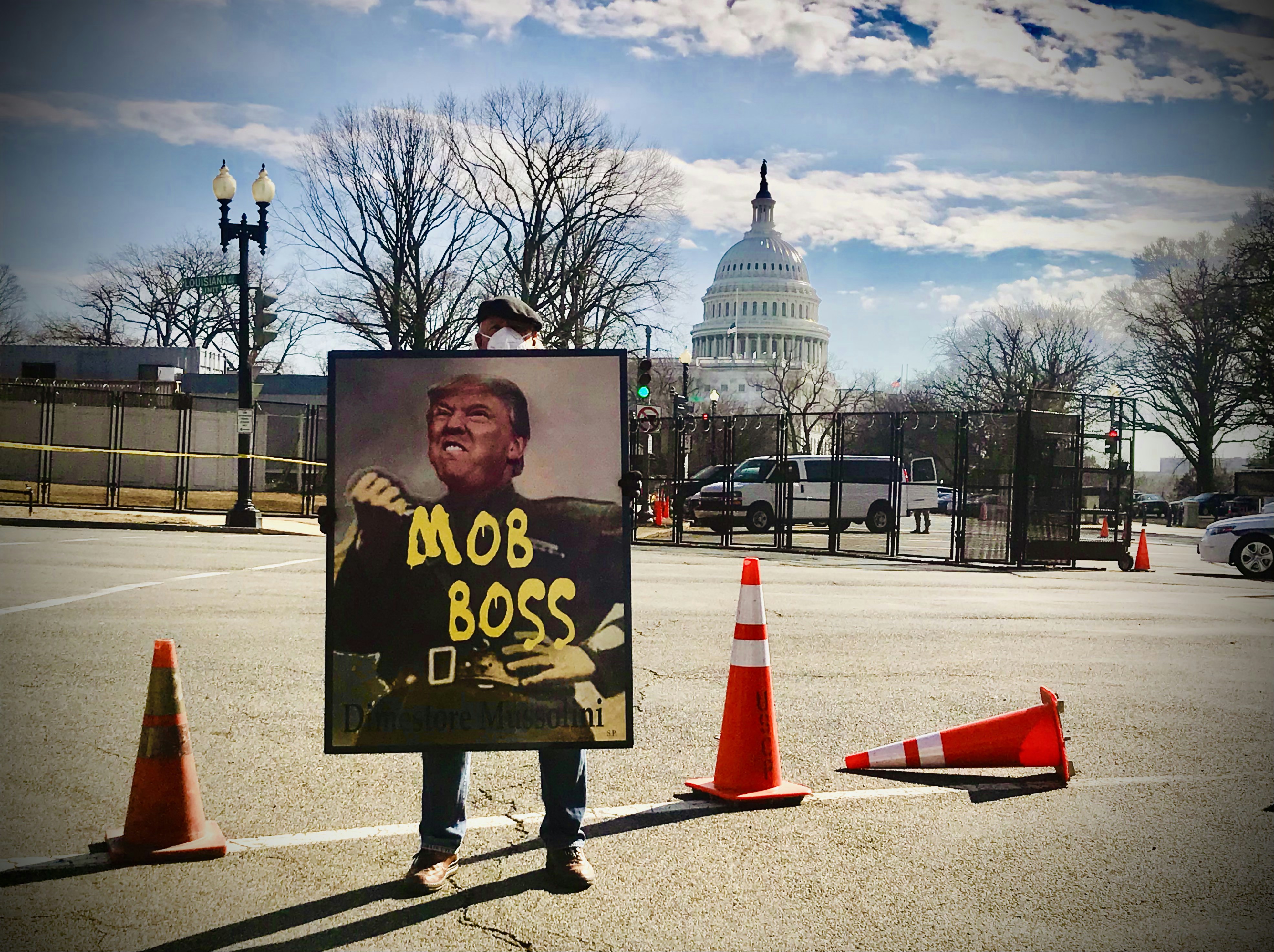
The 2025 Government Shutdown
The government shutdown that began on October 1, 2025, marks a significant event in American politics, reflecting a complex interplay of budgetary disputes and political maneuvering. This shutdown arose primarily from contentious negotiations over federal funding bills, which have been a recurring source of conflict between the two major parties. The inability to reach consensus has led to a standoff, affecting numerous government services and programs that rely on federal appropriations.
At the heart of this impasse is a sharp divide between the Republican Party, led by former President Donald Trump, and the Democratic Party in Congress. The Republicans have advocated for stringent budget cuts, particularly in social welfare programs, while the Democrats have pushed for increased funding to support health care, education, and social services. This fundamental disagreement on fiscal priorities has been exacerbated by an increasingly polarized political climate, where partisanship prevails over compromise.
The shutdown also serves as a backdrop for the ongoing blame game between Trump and Democratic leaders. Each side has sought to shift responsibility for the stalemate onto the other, intensifying the rhetoric and framing the narrative to their advantage. The situation is further complicated by the approach of the 2026 midterm elections, with both parties keenly aware that voter sentiment surrounding the shutdown could influence their prospects.
Understanding the circumstances that led to this governmental deadlock is crucial for analyzing its broader implications. By examining the factors that contributed to the funding impasse, it becomes evident that this shutdown is not merely a fiscal issue, but also a reflection of the deeper ideological divides in American politics. As the situation unfolds, stakeholders will be watching closely to see how this political drama evolves and what impact it will have on both domestic policy and the upcoming elections.
The Key Players: Trump’s Allegations and Democratic Responses
The 2025 US government shutdown has reignited tensions between President Donald Trump and congressional Democrats, setting the stage for a politically charged blame game. President Trump has characterized the Democratic Party’s demands as unrealistic and unacceptable, framing their budgetary requests as excessive and detrimental to national interests. This narrative is driven by his commitment to prioritizing a streamlined government focused on fiscal responsibility. Trump has repeatedly emphasized the need for budget cuts and fiscal conservatism, positioning himself as the responsible party fighting against what he perceives as liberal excesses.
In contrast, congressional Democrats have pushed back forcefully against Trump’s characterizations, accusing him of engaging in obstructionism and failing to cooperate on essential funding agreements. They argue that the Republican-controlled government has repeatedly chosen to play politics rather than address the pressing needs of the American people. Democrats assert that the funding for critical services and programs is being jeopardized due to Trump’s unwillingness to negotiate in good faith. By portraying themselves as advocates for the citizens reliant on federal assistance, Democrats aim to establish a moral high ground in this political conflict.
The contrasting narratives being propagated by both sides offer insight into how each is positioning itself amid the shutdown landscape. Trump’s narrative emphasizes fiscal discipline and governmental efficiency, while Democrats frame their argument around the necessity of funding vital services and programs that support everyday Americans. This clash not only underscores the ideological divide between the parties but also illustrates how the two sides are likely to utilize this crisis to galvanize their respective bases as the political blame game unfolds.
Impact on Federal Employees and Services
The 2025 US government shutdown presents significant challenges for approximately 750,000 federal employees, many of whom face potential furloughs or layoffs. The ramifications of this shutdown extend beyond immediate job loss; they affect employee morale, financial stability, and the ability of these individuals to meet basic living expenses. Furloughed employees often experience uncertainty, which can lead to increased anxiety and stress levels, impacting their productivity and overall well-being. In addition, long-term implications could deter talent from pursuing or remaining in government careers.
The disruption caused by the shutdown does not stop at employment; it has far-reaching effects on essential public services. Departments that rely heavily on federal funding, such as health care and public safety, are particularly vulnerable during a shutdown. For instance, the Centers for Disease Control and Prevention (CDC) may have fewer resources available for disease surveillance and public health initiatives, potentially jeopardizing timely responses to health crises. Similarly, national parks and federal facilities may close or operate at reduced capacity, limiting public access and impairing local economies reliant on tourism.
Moreover, interruptions in federal services can create ripple effects that extend into ordinary Americans’ lives. Individuals seeking medical assistance through federally funded programs may face delays, while those requiring urgent services in law enforcement or disaster management could find themselves without the necessary support. Such service interruptions ultimately lead to a decline in public trust in government effectiveness and stability. As the political blame game unfolds, it is crucial to recognize the stark consequences that a government shutdown inflicts on federal employees and the essential public services that millions of Americans rely on daily.
The Political Blame Game Explained
The dynamics of political blame during a government shutdown can significantly influence public perception and electoral strategies. In the case of the impending 2025 US government shutdown, both former President Donald Trump and the Democratic Party are actively engaging in a strategic blame game, which serves to galvanize their respective political bases. Each side deploys various tactics to assign responsibility for the shutdown, effectively utilizing these narratives to sidestep accountability while attempting to sway voter sentiment.
Trump, for instance, has emphasized fiscal responsibility and the impact of Democratic policies on the economy. His rhetoric often positions the Democratic leadership as out of touch with the concerns of everyday Americans. By doing so, he not only reinforces his base’s commitment but also seeks to attract undecided voters who might be dissatisfied with current governance. The former president’s playbook includes highlighting specific legislative failures and pointing to the Democrats’ inability to negotiate effectively, which he argues leads directly to the current impasse.
On the other hand, Democrats employ a counter-narrative focused on the necessity of bipartisan cooperation and the consequences of Trump’s leadership on economic stability and health care policies. They attribute the shutdown to extreme measures favored by Trump and his allies, presenting themselves as the rational alternative advocating for progress. By framing the shutdown as a byproduct of Republican intransigence, Democrats aim to reinforce the notion that they are the party of responsibility and governance.
This blame game is not merely a reactive measure; it serves as a calculated tactic to reinforce party unity and protect against potential backlash in the polls. The ongoing rhetoric around the shutdown demonstrates how both parties view the situation as an opportunity to reshape their narratives and mobilize their supporters, laying the groundwork for future electoral contests.
Public Perception: Governance and Accountability
The ongoing government shutdown in the United States has significantly influenced public perception regarding governance and accountability. As citizens witness the political stalemate, there has been an observable shift in sentiment towards the elected officials responsible for such a crisis. The blame game, prominent in discussions surrounding the shutdown, highlights an increasing public frustration with the two major political parties. This sentiment arises from the perception that politicians prioritize their partisan agendas over the well-being of the citizenry. Such a perspective can foster a sense of helplessness and disillusionment among the electorate.
Recent surveys indicate that a substantial portion of the public associates the shutdown with incompetence and a lack of accountability in government. Many citizens feel betrayed by their representatives, who they believe are failing to fulfill their basic duties of governance. This erosion of trust can have lasting implications for electoral participation and civic engagement. As voters become disillusioned with the effectiveness of government institutions, they may seek alternative avenues for political expression, potentially supporting less traditional candidates or movements that promise systemic change.
The media’s role in shaping public perception cannot be understated. News coverage that emphasizes the ongoing standoff and highlights the inability of parties to reach a compromise amplifies feelings of frustration. Consequently, many Americans begin to view their government not as a facilitator of public welfare but rather as a dysfunctional entity mired in partisanship and conflict. This view can subsequently detract from the perceived legitimacy of elected officials, leading to increased skepticism towards political decisions and policies that affect their lives.
As this political tumult continues, the long-term ramifications on public perception may redefine not only voter attitudes but also the fundamental relationship between citizens and their government, posing a serious challenge to the principles of accountability and trust that are foundational to a functioning democracy.
Economic and Social Fallout for Americans
The 2025 US government shutdown has produced significant economic and social repercussions for millions of Americans, reflecting the complexities of political disputes and their tangible effects on everyday life. One of the most immediate consequences is financial instability. Many government employees and contractors find themselves furloughed, resulting in abrupt income loss. This lack of financial certainty extends beyond individual workers, impacting local economies reliant on government contracts and spending, thus creating a ripple effect that can destabilize entire communities.
Additionally, the impact on mental health can be profound and far-reaching. Prolonged uncertainty regarding employment and financial security contributes to increased anxiety, stress, and an overall decline in well-being. Studies have shown that financial strain is closely linked to mental health issues, hence, during such a shutdown, the well-being of families often deteriorates. In a nation where mental health resources are already stretched thin, the crisis exacerbates existing challenges, leaving vulnerable populations in precarious situations.
The shutdown also leads to societal consequences through the reduction of government services which are crucial for many Americans. Services such as public health programs, social services, and educational funding face severe disruptions. This can result in delayed or reduced access to essential programs and benefits, particularly for low-income and marginalized families who rely heavily on government assistance for daily living. The cascading effects of diminished social services can lead to increased homelessness, food insecurity, and a general decline in community welfare.
The intertwining of economic hardship and social collapse during this government shutdown illustrates the real human impacts of political impasses. The combination of financial instability, mental health challenges, and reduced access to government services contributes to a deteriorating quality of life for many Americans, highlighting the urgent need for resolution and effective governance.
Long-term Consequences for Bipartisan Cooperation
The 2025 U.S. government shutdown serves as a stark reminder of the widening chasm between political parties in Congress. This shutdown, marked by entrenched positions and marked political polarization, raises critical concerns about the prospects for bipartisan cooperation in the foreseeable future. As lawmakers have increasingly shifted towards more extreme viewpoints, the ability to engage in constructive dialogue has diminished significantly.
One of the significant consequences of such political divisiveness is the erosion of trust among members of different parties. When one party perceives the other as unwilling to compromise or engage in good faith negotiations, it can lead to a prevailing atmosphere of suspicion. This distrust can create barriers to future collaboration, as members may hesitate to engage with their counterparts, fearing that concessions will not be reciprocated or that agreements might not be honored. The implications of a culture of mistrust can be far-reaching, impacting not only immediate legislative efforts but also the longer-term legislative landscape.
Furthermore, the rise of political polarization has led to an environment where party loyalty often trumps consensus-driven policymaking. In this context, moderate voices within both parties may find themselves increasingly marginalized, reducing the influence of those advocating for bipartisanship. Consequently, the legislative process risks becoming an adversarial battleground rather than a collaborative effort aimed at addressing pressing national issues, whether they relate to budgetary concerns, healthcare reform, or infrastructure development.
As the fallout from the 2025 government shutdown continues to unfold, it becomes imperative to reflect on its repercussions for future legislative endeavors. Without a concerted effort to bridge the divide, the potential for productive bipartisan cooperation may remain significantly hindered, complicating the already challenging landscape of federal policymaking.
Analyzing Key Social Programs and Negotiation Stalemates
The ongoing political discourse surrounding the anticipated government shutdown in 2025 has brought specific social programs into sharp focus. As negotiations stall between former President Donald Trump and the Democratic leadership, key social programs such as Medicare, Social Security, and Medicaid are at the forefront of these discussions. Each party’s position on these essential services not only influences negotiations but also significantly impacts government operations and the welfare of American citizens.
The Democrats advocate for robust funding of social programs, asserting that these initiatives are vital to supporting vulnerable populations. They argue that any proposed funding freezes could exacerbate inequalities, particularly for low-income families relying on Medicaid for healthcare services. Conversely, Trump and his supporters tend to emphasize fiscal restraint, advocating for reduced spending across government programs, including social services. This divergence in views has crafted a negotiation stalemate, complicating efforts to reach a consensus on the federal budget.
Additionally, the implications of funding freezes extend beyond mere budgetary concerns; they may adversely affect Americans’ access to healthcare and financial assistance. For retirees relying on Social Security, even slight funding adjustments can lead to significant changes in their income, stressing the need for a stable financial future. The negotiation deadlock thus poses a serious threat to the smooth functioning of these programs, potentially leaving millions without the support they rely on.
The standoff over funding these indispensable social programs exemplifies the broader issues at play in American politics today. As each party grapples with its defined roles and responsibilities, the outcomes of these negotiations will undoubtedly shape the landscape of social support systems in the United States for years to come. It remains crucial for all stakeholders to recognize the far-reaching implications of their decisions on the nation’s most vulnerable populations.
Conclusion: Navigating Political Impasse in the Future
Reflecting upon the significant ramifications of the 2025 US government shutdown, it becomes evident that there are critical lessons to be gleaned from this troubling episode. The political blame game not only exacerbated the crisis but also illuminated the fragility of governance within a polarized environment. A fundamental takeaway is the necessity for future administrations and Congresses to prioritize bipartisanship and collaborative decision-making. Engaging in constructive dialogue can mitigate the severity of future shutdowns and foster a governmental ethos centered around cooperation as opposed to conflict.
Moreover, it is imperative to recognize the importance of proactive measures. Establishing clear frameworks for budget negotiations well before deadlines may diminish the likelihood of reaching an impasse. Such frameworks could include pre-emptive collaborative sessions designed to address contentious issues sooner, allowing for adequate time to execute comprehensive solutions without the pressure of an impending deadline. The aim should be to cultivate an atmosphere where political leaders can work across the aisle, reducing the adversarial political climate that dominated the recent shutdown.
Additionally, the role of public sentiment in influencing political behavior cannot be ignored. Elected officials must consider the socio-economic impact of their decisions on constituents, recognizing that detrimental outcomes from a shutdown affect everyday lives. By prioritizing the welfare of the public, politicians may find common ground from which to navigate challenging negotiations. It is critical to question how future leaders will adapt their strategies to avoid repeating past mistakes and, instead, how they can turn crises into opportunities for legislative breakthroughs.
Ultimately, the path forward must include a commitment to addressing the underlying issues contributing to political gridlock, ensuring that the lessons learned from the 2025 shutdown are not dismissed but rather used as a guide for improved governance in the future.