Introduction: The Importance of Free Speech
Free speech is a fundamental pillar of any democratic society, providing individuals with the right to express their thoughts, beliefs, and opinions without fear of reprisal. Historically, free speech has been associated with the development of open societies; it allows for the exchange of ideas, fostering innovation, debate, and progress. The ability to communicate freely is essential for holding governments accountable, challenging prevailing norms, and advocating for change. However, the significance of free speech is increasingly being scrutinized, particularly in the context of censorship.
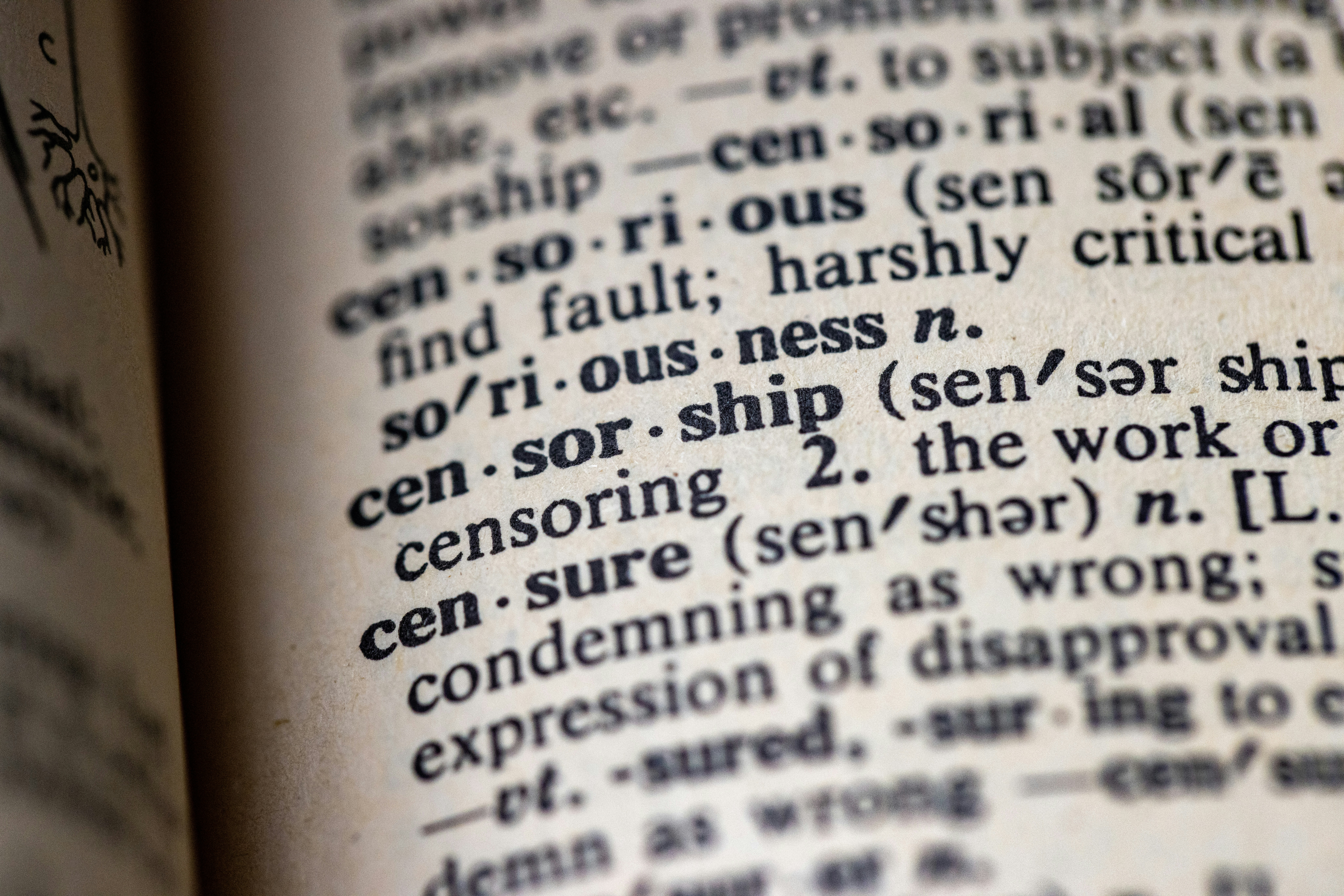
Censorship, the suppression of speech or public communication that may be considered objectionable or harmful, poses a considerable threat to the fabric of free society. It can take many forms, ranging from governmental policies that limit discussion on contentious topics to societal pressure that curtails individual expression. While censorship often masquerades under the guise of protecting societal norms or public safety, it can lead to a homogenization of thought, stifling creativity and dissent, and ultimately undermining the democratic process.
In recent years, the United Kingdom has seen emerging trends that jeopardize free speech rights. Various legislative measures and societal shifts have prompted concerns among advocates and civil liberties organizations regarding the implications of these developments. The erosion of free speech not only impacts individuals but extends its reach into the broader societal discourse, shaping the way information is shared and perceived. Understanding the critical role of free speech in a democracy is essential in addressing and countering the threats posed by censorship, especially as they pertain to the rights of ordinary citizens in today’s evolving landscape.
The Current Landscape of Free Speech in the U.K.
The state of free speech in the United Kingdom has become increasingly contentious in recent years, particularly as several pieces of legislation have raised alarms among civil liberties advocates. The concern centers around the balance between safeguarding public order and preserving individual rights to expression. Recent developments, especially in the realm of social media regulations and hate speech laws, reflect a tightening grip on free speech that has resonated alarmingly within U.K. society.
The Online Safety Bill is perhaps the most significant legislative measure that has come under scrutiny. It set forth intentions to regulate harmful content on the internet, thereby placing responsibilities on platforms to monitor and potentially censor user-generated content deemed inappropriate. Critics argue that these stipulations could lead to overreach, resulting in an environment where legitimate discourse is stifled in the name of protecting vulnerable populations. The ambiguity surrounding the definition of ‘harmful content’ poses another layer of concern, giving social media companies significant discretionary powers that may detrimentally affect open dialogue.
Additionally, provisions within the Police, Crime, Sentencing and Courts Act have sparked protests and debates regarding the rights to assembly and protest. The legislation includes measures that can criminalize non-violent protests under certain circumstances. Such provisions, while aimed at maintaining public order, have been interpreted as an infringement on the right to free speech, prompting fears that dissenting voices may be silenced unwarrantedly.
The implications of these legislative changes extend beyond political discourse into the daily lives of ordinary citizens, who may feel apprehensive about expressing their opinions publicly or online. The evolving nature of free speech in the U.K. underscores a critical conversation about the essential boundaries of expression in contemporary society, reflecting a growing tension between security measures and civil liberties.
Case Studies: Ordinary Britons Affected by Censorship
The impact of censorship in the United Kingdom extends beyond the realms of public discourse and political debate, reaching into the daily lives of ordinary citizens. Several case studies illustrate how individuals have faced repercussions for expressing their thoughts and feelings through various mediums, such as social media, public demonstrations, and art. These instances shed light on the practical implications of a burgeoning censorship regime.
One notable case involves a young woman whose social media posts criticizing a popular political figure led to her being investigated by the police for alleged hate speech. Despite her comments stemming from a place of frustration with governmental policies, the investigation left her feeling anxious and marginalized. This situation exemplifies how ordinary expressions, when deemed controversial, can attract unwarranted scrutiny and infringe upon the freedom of speech.
Similarly, a group of artists seeking to voice their opinions through public murals were met with threats of legal action by local authorities, citing “offensive content” as a reason for censorship. The fear of repercussions stifled their ability to create art that reflected pressing societal issues, emphasizing how artistic expression faces hurdles under the current censorship environment. This illustrates the chilling effect on creativity and speech that individuals may encounter.
The experience of a university student who organized a peaceful protest against a policy perceived as repressive further highlights the challenges faced by those asserting their right to free speech. Despite adhering to lawful protest protocols, he was subjected to intimidation from university officials and was even warned about potential disciplinary action. Such actions demonstrate the barriers that individuals face when attempting to engage in civic activism.
As these examples reflect, the threads of censorship are weaving through the fabric of everyday life in the U.K., resulting in a pervasive climate of self-censorship and fear among ordinary Britons. It raises critical questions about the balance between maintaining public order and ensuring the fundamental right to free expression.
The Role of Social Media Companies
In the contemporary landscape, social media companies play a pivotal role in shaping public discourse and the dissemination of information. As platforms that facilitate communication among millions, they bear a significant responsibility in moderating user-generated content. The policies enacted by these companies reflect not only their internal standards but also align closely with governmental regulations and societal expectations regarding acceptable speech. This alignment has led to a complex interplay between fostering free expression and adhering to censorship mandates.
Instances abound where social media platforms have taken action against content deemed offensive or harmful. For example, companies like Facebook and Twitter have implemented stringent content moderation practices to remove posts related to hate speech, misinformation, and other forms of harmful content. While these measures aim to create safer online environments, they also raise questions about the implications for free speech. Users often find themselves navigating a labyrinth of community guidelines that may lead to the removal of seemingly innocuous content, ultimately chilling free expression.
Moreover, the inclination of social media companies to comply with government requests for content removal introduces a further layer of complexity. In the U.K., authorities have sometimes exerted pressure on these platforms to address content that contravenes legal restrictions, leading to accusations that social media is complicit in governmental censorship. This ongoing dynamic highlights the dilemma of balancing the need for responsible content moderation with the fundamental principles of free speech. As companies grapple with their roles as arbiters of information, the impact of their policies on ordinary Britons cannot be overlooked. The implications of such censorship not only affect individual users but also shape the societal discourse, creating an environment where certain viewpoints may be marginalized or overlooked.
Public Response and Activism
The issue of free speech in the United Kingdom has garnered significant public attention, leading to a rising wave of activism aimed at combating perceived threats to this fundamental right. Various advocacy groups, civil liberties organizations, and ordinary citizens have mobilized to confront the challenges posed by censorship in the U.K. Their responses have ranged from organizing protests to initiating petitions, all with a common objective: to protect the fundamental principles of free expression.
Protests have emerged as a powerful form of dissent, with individuals gathering in various cities to voice their concerns about restrictions on free speech. These demonstrations often highlight specific instances of censorship, such as the suppression of artistic expression and the stifling of dissenting opinions. Activists argue that a strong public response is essential to challenge the government’s increasing control over speech and to ensure that the voices of ordinary Britons are heard.
In addition to protests, petitions have become a popular tool to rally support and drive change. Activists have created online platforms to gather signatures in opposition to laws perceived as undermining free speech. These efforts aim to persuade lawmakers to reconsider policies that may infringe upon citizens’ rights, demonstrating civic engagement in advocating for the protection of free speech.
Moreover, educational campaigns have been launched to raise awareness of the vital importance of free speech. Workshops, seminars, and social media campaigns are being utilized to inform the public about the implications of censorship, helping individuals recognize their rights and encouraging them to defend these rights actively. By fostering a more informed citizenry, these initiatives seek to strengthen the resolve of individuals and communities to resist censorship and uphold democratic values.
Ultimately, the public response to censorship in the U.K. reflects a growing commitment to safeguarding free speech. As activism expands and diversifies, it signifies a collective determination to confront the challenges that threaten this fundamental right, ensuring that the voices of ordinary Britons remain robust and unimpeded.
Comparative Analysis: Free Speech in Other Countries
The concept of free speech serves as a cornerstone of democratic societies, yet the approach to its regulation varies significantly across nations. In the United States, for example, the First Amendment guarantees robust protections for speech, with the Supreme Court often ruling in favor of individuals expressing controversial or unpopular opinions. This legal framework fosters an environment where free expression flourishes, albeit sometimes at the cost of social harmony, as hate speech and offensive expression are permitted under U.S. law.
In contrast, many European countries, including Germany and France, impose restrictions on free speech that prioritize social cohesion and public order. Germany’s laws against hate speech, particularly in relation to Nazi propaganda, reflect a historical commitment to protect marginalized communities from harmful rhetoric. Similarly, France has enacted legislation that penalizes hate speech, particularly in contexts that target race or religion. These countries present a more interventionist approach, where the state’s role is more pronounced in curbing what it deems harmful expressions.
When examining the U.K., it becomes clear that the nation navigates unique challenges regarding free speech. The U.K. employs a blend of common law and statutory law, where public interest is often invoked to justify limitations on speech. The controversial Online Safety Bill exemplifies this trajectory, aiming to mitigate online harms but raising concerns over potential overreach into the realm of free expression. Compared to the U.S., the U.K. leans towards a more restrictive paradigm, mirroring processes seen in several European countries.
This comparative analysis reveals the complexity surrounding issues of censorship and free speech, prompting an exploration into how different democratic societies balance the right to express oneself with the imperative of maintaining public order and protecting individuals from harm. The U.K.’s position, as illustrated, highlights the nuances and ongoing debates concerning free speech in diverse cultural and legal contexts.
Legal Implications: The Law and Free Speech
Free speech in the United Kingdom is principally governed by a combination of common law principles and statutory provisions. The foundational legal framework includes the Human Rights Act 1998, which incorporates the European Convention on Human Rights (ECHR) into domestic law. Article 10 of the ECHR explicitly guarantees the right to freedom of expression, stipulating that this right encompasses not only the freedom to hold opinions but also the freedom to receive and impart information without interference by public authorities. This legal framework is pivotal in safeguarding free speech, yet its application can be nuanced and complex.
Several key laws further define the boundaries of free expression. The Public Order Act 1986, for example, criminalizes acts that incite racial hatred or violence, indicating a significant limitation on free speech when it intersects with public safety and order. Additionally, legislation such as the Communications Act 2003 governs online content, making it an offense to send messages that are grossly offensive or menacing, thereby impacting digital communications and social media. This legal landscape indicates that while free speech is broadly protected, there are limitations intended to balance individual rights against societal concerns.
Court cases in the U.K. have further shaped the landscape of free speech rights. The case of R v. Goldsmith highlighted the balance courts must strike between protecting individual expression and maintaining public order. Future interpretations of existing laws, along with proposed changes in governance related to censorship, suggest that the evolution of free speech in the U.K. may face considerable challenges ahead. The ongoing interplay between human rights legislation and increasing calls for regulation, particularly in the digital realm, raises critical questions about the future of free expression in the country.
Future Outlook: What Lies Ahead for Free Speech in the U.K.?
The landscape of free speech in the United Kingdom is currently at a crossroads, influenced by a multitude of factors such as political changes, societal attitudes, and rapid technological advancement. As discussions surrounding the balance between security and freedom intensify, the future of free speech appears uncertain, with potential trends leaning towards either an enhancement of civil liberties or the imposition of greater restrictions.
Political climate plays a significant role in shaping free expression. Recent government actions, such as proposals for stricter online safety regulations, have raised concerns regarding censorship and personal freedoms. This indicates that while authorities may be motivated by the desire to protect citizens from harmful content, these measures could inadvertently lead to the suppression of legitimate discourse. The growing polarization of political views could also lead to further limitations on freedom of speech as parties seek to enforce their ideologies at the expense of open dialogue.
Furthermore, societal norms are evolving, with younger generations becoming increasingly aware and vocal about issues related to social justice and human rights. This generational shift could push for stronger protections of free speech. However, backlash from opposing factions may create a hostile environment, leading to an escalation of censorship tactics aimed at curbing dissenting voices. Public sentiment can greatly influence policy decisions, making it imperative for advocates of free speech to remain diligent in promoting inclusivity and understanding.
Technological advancements also present an intriguing dynamic. As digital communication continues to reshape how information is disseminated, the implications for free speech are profound. While modern platforms can amplify marginalized voices, they also expose users to increased surveillance and data privacy concerns, potentially paving the way for overreach. The challenge lies in ensuring that technology serves to enhance free expression rather than undermine it.
In conclusion, the trajectory of free speech in the U.K. hinges on a complex interplay of political, societal, and technological elements. Close scrutiny and active engagement will be essential to safeguard the principles of free expression in an ever-evolving landscape.
Conclusion: Upholding the Values of Free Expression
Throughout this discussion, we have examined the various threats to free speech in the U.K., highlighting the potential consequences of an increasingly restrictive censorship regime. The rise of regulations aimed at limiting expression poses a significant challenge to the fundamental principle of free speech, which is essential for a democratic society. Ordinary citizens, who may find themselves targeted under vague laws, face limitations that can stifle their ability to voice opinions and engage in healthy discourse.
The implications of these censorship measures extend beyond mere words; they affect societal dynamics, impede personal freedoms, and ultimately diminish the vibrancy of public debate. It is crucial to understand that protecting free speech is not solely a responsibility of lawmakers and activists, but a collective effort that involves individuals and communities. Everyone has a role to play in fostering an environment that values open dialogue and expression.
To combat the threats posed by censorship, individuals can engage in various proactive measures. These include advocating for clearer laws that respect free speech rights, participating in public discussions and forums, and supporting organizations committed to defending free expression. Communities can create inclusive platforms where diverse perspectives can be shared and debated without fear of reprisals. Educational initiatives that promote critical thinking and awareness about the importance of free speech can also empower individuals to stand against unjust censorship.
In essence, safeguarding free speech is paramount to sustaining a culture of expression in the U.K. By recognizing the value of free speech and advocating for its protection, we can cultivate an atmosphere where ideas flourish, and individuals feel confident in sharing their thoughts. As custodians of free expression, it is incumbent upon us to ensure that these rights are preserved for future generations.